
Velma Jones
LCSWNew York · 29 yrs exp
Empathetic therapist focused on thoughts and habits
Stress, Anxiety · Relationship · Trauma and abuse · Depression · +10 more
Read profileTherapist listings are provided by BetterHelp. We will earn a commission at no extra cost to you if you use our links to buy.
On this page you will find licensed counselors and therapists who focus on self esteem and related concerns. Browse the listings below to review approaches, credentials, languages and focus areas to find a good fit.
New York · 29 yrs exp
Empathetic therapist focused on thoughts and habits
Stress, Anxiety · Relationship · Trauma and abuse · Depression · +10 more
Read profile
Connecticut · 11 yrs exp
Practical help for thoughts and everyday habits
Stress, Anxiety · Parenting · Self esteem · Depression · +16 more
Read profile
Texas · 30 yrs exp
Cognitive behavioral counselor focused on everyday habits
Stress, Anxiety · Addictions · Anger · Self esteem · +13 more
Read profile
Ohio · 25 yrs exp
Expert guide for everyday coping
Stress, Anxiety · LGBT · Relationship · Self esteem · +16 more
Read profile
Florida · 14 yrs exp
Practical help for thoughts and daily habits
Stress, Anxiety · Grief · Anger · Self esteem · +12 more
Read profile
Colorado · 19 yrs exp
Practical, thoughtful care for daily struggles
Stress, Anxiety · Relationship · Trauma and abuse · Grief · +12 more
Read profile
Alabama · 22 yrs exp
Practical, experienced counselor for everyday change
Stress, Anxiety · Trauma and abuse · Anger · Self esteem · +16 more
Read profile
Texas · 13 yrs exp
Practical therapy for thoughts and habits
Stress, Anxiety · Relationship · Trauma and abuse · Anger · +11 more
Read profile
Florida · 20 yrs exp
Practical support for stress, addiction, and relationships
Stress, Anxiety · Addictions · Relationship · Self esteem · +16 more
Read profile
Massachusetts · 23 yrs exp
Calm practical therapy for real-life problems
Addictions · LGBT · Relationship · Intimacy-related issues · +12 more
Read profile
Florida · 39 yrs exp
Calm, experienced counselor focused on practical change
Stress, Anxiety · Relationship · Family · Parenting · +14 more
Read profile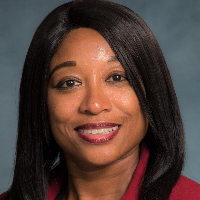
Georgia · 8 yrs exp
Therapist focused on thoughts and habits
Stress, Anxiety · Relationship · Family · Grief · +11 more
Read profile
Florida · 12 yrs exp
Practical, goal-focused counseling for everyday life
Stress, Anxiety · Parenting · Self esteem · Depression · +11 more
Read profile
Michigan · 5 yrs exp
Thoughtful practical therapy for everyday habits
Stress, Anxiety · Relationship · Family · Self esteem · +12 more
Read profile
Rhode Island · 18 yrs exp
Calm, practical therapy for everyday life
Stress, Anxiety · Relationship · Trauma and abuse · Grief · +12 more
Read profile
Pennsylvania · 12 yrs exp
Thoughts and habits focused therapist
Stress, Anxiety · Relationship · Self esteem · Depression · +11 more
Read profile
North Carolina · 10 yrs exp
Focused help for thoughts and daily habits
Stress, Anxiety · Relationship · Family · Bipolar · +16 more
Read profile
Texas · 17 yrs exp
Thoughts and everyday habits focused support
Stress, Anxiety · Family · Depression · Coping with life changes · +12 more
Read profile
Georgia · 20 yrs exp
Practical support for thoughts and everyday habits
Stress, Anxiety · Addictions · Family · Anger · +13 more
Read profile
Missouri · 7 yrs exp
Practical therapy focused on thoughts and habits
Stress, Anxiety · Addictions · Relationship · Self esteem · +13 more
Read profile
Texas · 9 yrs exp
Compassionate, practical counseling for daily life
Stress, Anxiety · Trauma and abuse · Grief · Depression · +12 more
Read profile
Florida · 17 yrs exp
Compassionate counselor focused on thoughts and habits
Stress, Anxiety · Addictions · Relationship · Family · +14 more
Read profile
New Jersey · 41 yrs exp
Thought-focused counselor with practical strategies
Stress, Anxiety · Addictions · Relationship · Family · +9 more
Read profile
Louisiana · 10 yrs exp
Therapy that focuses on thoughts and habits
Stress, Anxiety · Relationship · Family · Depression · +12 more
Read profileSelf esteem refers to the way you view and value yourself. It is not a single fixed trait but a pattern of thoughts, feelings and beliefs that shape how you respond to challenges, interpret feedback and set boundaries. When your self esteem is resilient, you are more likely to try new things, recover from setbacks and accept constructive feedback. When it is low or fragile, you may feel overly critical of yourself, avoid opportunities out of fear of failure or read neutral interactions as rejection. These patterns influence relationships, work performance and overall emotional well-being. Understanding self esteem as a set of habits of mind rather than an unchangeable quality makes it possible to work on practical shifts in thinking and behavior.
Everyone experiences fluctuations in self-regard across their life. Childhood experiences, relational dynamics, cultural messages and stressful life events can contribute to persistent negative self-beliefs. For some people this shows up as perfectionism and harsh self-judgment. For others it appears as a lack of confidence, difficulty asserting needs or a tendency to compare oneself unfavorably to others. Recognizing the roots of these patterns is a helpful step, but many people find that guided work with a therapist makes it easier to translate insight into lasting change.
If you are wondering whether therapy could help, look at how your inner voice and behaviors influence daily life. You might feel chronically unworthy or worry that you are not as competent as others. You might avoid taking on new responsibilities because you expect to fail, or you may overwork to prove your value. Relationship patterns can also reflect low self esteem - for example, difficulty asking for what you need, accepting poor treatment, or craving constant reassurance. Emotional signs include persistent sadness, anxiety about judgment, irritability tied to perceived slights and difficulty recovering from criticism.
Another sign is that you are aware of negative self-talk but find it hard to change on your own. You may have tried self-help resources or made temporary improvements, only to revert to old patterns under stress. Therapy for self esteem is not about boosting confidence with empty affirmations. It is practical work that helps you notice automatic thoughts, test unhelpful beliefs in real life and develop more balanced self-appraisals. If these issues interfere with your relationships, work, or sense of purpose, working with a therapist can provide structured support to build different habits and perspectives.
In therapy focused on self esteem you can expect a combination of exploration and skill-building. Early sessions often focus on understanding your history, recurring patterns and current situations where low self-regard shows up. A therapist will help you map the ways your thoughts, feelings and actions interact - for instance, how a single critical thought can trigger avoidance or self-sabotage. This mapping is paired with practical strategies to challenge unhelpful beliefs and try new behaviors in everyday life.
Sessions typically include reflective conversation, behavioral experiments and exercises to shift inner dialogue. You may be asked to notice and record automatic negative thoughts, try small actions to test feared outcomes or practice self-compassion techniques between sessions. Progress is usually measured by changes in how you respond to setbacks, how often you ruminate and how comfortably you assert your needs. Therapy is collaborative - you and your therapist work together to set goals that are meaningful to you and adapt techniques to your preferences and lifestyle.
There is no single approach that fits everyone. Many therapists combine methods to match your needs. You will find therapists who list cognitive behavioral therapy - often shortened to CBT - among their approaches, which focuses on identifying and shifting distorted thoughts and the behaviors that maintain them. There are therapists who list acceptance and commitment approaches among their methods, which emphasize clarifying values and taking committed action despite uncomfortable feelings. Other clinicians list psychodynamic approaches that explore how early relationships and repeating patterns shape current self-beliefs.
Some therapists describe mindfulness-based work or compassion-focused methods as part of their approach, helping you cultivate a kinder inner voice and reduce harsh self-criticism. Narrative-oriented therapists may help you re-author the stories you tell about yourself, while those who list interpersonal approaches focus on how relationships affect your sense of worth. You may also encounter therapists who list experiential or expressive modalities among their approaches, using creative exercises to increase self-awareness and emotional processing. When reviewing profiles, notice the language therapists use to describe how they help people build a more realistic and resilient sense of self.
Online therapy has become a common way to work on self esteem because it can remove practical barriers like travel time and local availability. In an online format you usually meet over video, phone or text-based messaging, and sessions follow a similar structure to in-person work - assessment, goal-setting, learning skills and applying them between sessions. The virtual setting can make it easier to practice new behaviors in your everyday environment and to bring real-life situations into sessions for immediate processing.
Working online does not change the fundamental aims of self esteem therapy. You and your therapist will still build awareness of negative self-talk, try behavioral experiments and practice self-directed exercises. Some people find it helpful to record insights from sessions in the moment or try exposure tasks in their actual environment then discuss the outcomes right away. If you prefer a blend of online and in-person work, many therapists describe offering both formats. When considering online options, pay attention to whether a therapist describes approaches and experience that match your goals and to logistical details about communication methods and session structure.
Choosing a therapist is a personal decision that goes beyond credentials. Start by clarifying what you want to change - whether it is chronic self-criticism, difficulty asserting boundaries, perfectionism or social anxiety linked to self-worth. Look for therapists whose profiles mention work with those specific concerns and whose descriptions of approach feel understandable and practical to you. Reading how a therapist talks about their approach can give you a sense of whether they will focus more on thought-changing techniques, relational patterns or experiential exercises.
Language and cultural awareness can also matter. If your identity or background influences how you experience self esteem, you may prefer a therapist who lists relevant cultural competency or speaks your language. Think about the tone you prefer - someone direct and skills-oriented, or someone more exploratory and reflective. Many therapist profiles include short biographies and statements about their approach that help you evaluate fit. Once you identify a few profiles that resonate, consider reaching out to ask about their experience helping people with similar goals and about how they structure therapy focused on self esteem. Trust your sense of rapport in early interactions - feeling understood and respected is often the most important factor in making therapy work.
Working on self esteem is a process that combines self-awareness, practice and patience. With focused therapeutic work you can develop more balanced self-appraisal, greater resilience to criticism and a clearer sense of your values and strengths. Use the listings above to explore therapists whose approaches and backgrounds align with what you want to change, and take small, actionable steps toward building a healthier relationship with yourself.
Alabama
74 therapists
Alaska
4 therapists
Arizona
65 therapists
Arkansas
34 therapists
Australia
136 therapists
California
274 therapists
Colorado
96 therapists
Connecticut
34 therapists
Delaware
7 therapists
District of Columbia
9 therapists
Florida
502 therapists
Georgia
100 therapists
Hawaii
13 therapists
Idaho
24 therapists
Illinois
153 therapists
Indiana
68 therapists
Iowa
28 therapists
Kansas
42 therapists
Kentucky
82 therapists
Louisiana
78 therapists
Maine
11 therapists
Maryland
61 therapists
Massachusetts
55 therapists
Michigan
196 therapists
Minnesota
52 therapists
Mississippi
38 therapists
Missouri
125 therapists
Montana
27 therapists
Nebraska
31 therapists
Nevada
26 therapists
New Hampshire
17 therapists
New Jersey
99 therapists
New Mexico
17 therapists
New York
230 therapists
North Carolina
167 therapists
North Dakota
3 therapists
Ohio
125 therapists
Oklahoma
94 therapists
Oregon
26 therapists
Pennsylvania
165 therapists
Rhode Island
12 therapists
South Carolina
73 therapists
South Dakota
8 therapists
Tennessee
83 therapists
Texas
432 therapists
United Kingdom
1432 therapists
Utah
44 therapists
Vermont
7 therapists
Virginia
71 therapists
Washington
46 therapists
West Virginia
23 therapists
Wisconsin
71 therapists
Wyoming
15 therapists