Bertha Myers
LPCSouth Carolina · 8 yrs exp
Compassionate therapy for everyday thoughts and habits
Stress, Anxiety · Relationship · Family · Coping with life changes · +11 more
Read profileTherapist listings are provided by BetterHelp. We will earn a commission at no extra cost to you if you use our links to buy.
Welcome to CalmerThoughts.org if you are looking for licensed online therapists who serve South Carolina residents. All therapists listed here hold a current license in South Carolina; explore profiles to learn about approaches, focus areas and languages.
South Carolina · 8 yrs exp
Compassionate therapy for everyday thoughts and habits
Stress, Anxiety · Relationship · Family · Coping with life changes · +11 more
Read profile
South Carolina · 8 yrs exp
Understanding thoughts to change habits
Stress, Anxiety · Trauma and abuse · Self esteem · Depression · +16 more
Read profile
South Carolina · 7 yrs exp
Warm client-centered care with practical tools
Stress, Anxiety · Self esteem · Depression · Coping with life changes · +9 more
Read profile
South Carolina · 9 yrs exp
Compassionate, practical help for thoughts and habits
Stress, Anxiety · Relationship · Grief · Anger · +8 more
Read profile
South Carolina · 6 yrs exp
Thought-focused counselor helping change habits
Stress, Anxiety · Relationship · Trauma and abuse · Self esteem · +9 more
Read profile
South Carolina · 20 yrs exp
Calm, practical support for lasting change
Stress, Anxiety · Addictions · Relationship · Trauma and abuse · +15 more
Read profile
South Carolina · 3 yrs exp
Thoughts and habits focused care
Stress, Anxiety · Relationship · Trauma and abuse · Grief · +4 more
Read profile
South Carolina · 17 yrs exp
Thoughts and everyday habits focused care
Stress, Anxiety · Relationship · Parenting · Depression · +11 more
Read profile
South Carolina · 20 yrs exp
Practical counseling focused on thoughts and habits
Stress, Anxiety · Trauma and abuse · Anger · Bipolar · +1 more
Read profile
South Carolina · 10 yrs exp
Therapist focused on thoughts and habits
Stress, Anxiety · Relationship · Family · Trauma and abuse · +2 more
Read profile
South Carolina · 6 yrs exp
Thoughtful, practical counseling for daily life
Stress, Anxiety · Family · Trauma and abuse · Anger · +14 more
Read profile
South Carolina · 3 yrs exp
Helpful, practical therapy for everyday thoughts and habits
Stress, Anxiety · Addictions · Grief · Self esteem · +10 more
Read profile
South Carolina · 3 yrs exp
Calm, practical support for daily life
Stress, Anxiety · Grief · Sleeping · Depression · +1 more
Read profile
South Carolina · 10 yrs exp
Practical support for stress and healing
Stress, Anxiety · Relationship · Trauma and abuse · Self esteem · +1 more
Read profile
South Carolina · 24 yrs exp
Patient-focused counselor for everyday life challenges
Stress, Anxiety · Addictions · Family · Parenting · +12 more
Read profile
South Carolina · 25 yrs exp
Finding calmer habits and clearer thinking
Stress, Anxiety · Parenting · Self esteem · Depression · +7 more
Read profile
South Carolina · 9 yrs exp
Compassionate counselor focused on practical change
Stress, Anxiety · Addictions · Trauma and abuse · Self esteem · +13 more
Read profile
South Carolina · 10 yrs exp
Thoughts and everyday habits support
Stress, Anxiety · Relationship · Grief · Self esteem · +8 more
Read profile
South Carolina · 3 yrs exp
Compassionate help for everyday thoughts and habits
Stress, Anxiety · Relationship · Parenting · Self esteem · +6 more
Read profile
South Carolina · 8 yrs exp
Compassionate goal-focused counseling
Stress, Anxiety · Trauma and abuse · Anger · Self esteem · +12 more
Read profile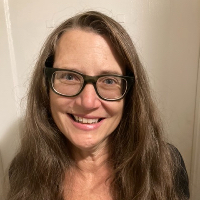
South Carolina · 10 yrs exp
Thoughts and habits focused counselor
Stress, Anxiety · Relationship · Trauma and abuse · Self esteem · +16 more
Read profile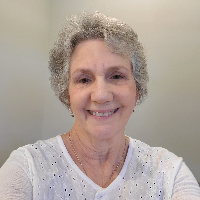
South Carolina · 20 yrs exp
Experienced counselor for everyday change
Stress, Anxiety · Relationship · Trauma and abuse · Sleeping · +13 more
Read profile
South Carolina · 25 yrs exp
Helping people change thoughts and habits
Stress, Anxiety · Anger · Self esteem · Depression · +4 more
Read profile
South Carolina · 21 yrs exp
Calm guidance for clearer thoughts and better habits
Stress, Anxiety · Trauma and abuse · Self esteem · Depression · +16 more
Read profileOnline therapy has become a common way to access mental health support across South Carolina, from coastal communities to inland towns. You will find clinicians who offer sessions via video and phone formats, and many profiles will note the therapeutic approaches they use as well as the kinds of concerns they typically address. Because rules about practicing across state lines vary, most therapists who work with South Carolina residents will indicate whether they hold a South Carolina license or are authorized to provide services to people located in the state. Profiles on this site are designed to give you a clearer picture of each clinician's focus, credentials and languages, so you can identify professionals who align with your needs before reaching out.
Teletherapy can be delivered from a clinician's office or from a home setting, and therapists often describe whether they prefer short-term work focused on coping skills or longer-term therapy aimed at deeper change. When you browse listings you may see a range of degree types and credentials such as LPC, LCSW, LMFT or PhD, and many profiles include the approaches a therapist lists among their methods. Keep in mind that listing an approach does not mean a clinician holds specific certification in it; it simply indicates they report using that approach in their practice. The important step is to look for a clinician whose experience and stated focus match what you are looking for.
Online therapy can remove geographic barriers that sometimes make it hard to reach in-person care. If you live in a rural county or have limited transportation options, virtual sessions can make it easier to connect with a clinician who specializes in the issues you want to address. Online formats also offer flexibility in how you structure sessions - many people find video or phone sessions fit more naturally into a busy schedule and reduce the time spent traveling to appointments.
Another benefit is the ability to choose a therapist who shares your language or cultural background even if they are based in a different city within the state. Profiles that list languages and focus areas help you find clinicians who describe experience with specific populations, life stages or concerns. For people managing chronic health conditions, caregiving responsibilities or fluctuating work hours, online therapy can be a practical option. The convenience of attending from a comfortable environment may make it easier to maintain regular care and to focus on therapeutic work without added logistical stress.
Online therapists in South Carolina typically work with a broad range of concerns. You will find clinicians who list experience with anxiety, depression, relationship challenges, stress related to work or school, grief and loss, and adjustment to life transitions. Many therapists identify focus areas such as parenting support, perinatal mental health, trauma-related symptoms, substance use concerns and coping with chronic medical conditions. Profiles may also note specialties like LGBTQ+ affirmative care, adolescent therapy or support for older adults.
Because profiles vary, it is useful to read how a therapist describes their typical caseload and the kinds of goals they commonly help people pursue. Some clinicians emphasize short-term, solution-focused work aimed at coping strategies and symptom reduction, while others describe a longer-term, insight-oriented approach. You may also see therapists who list evidence-informed approaches among their methods; in those cases, profiles typically indicate that the approach is something the clinician uses, rather than implying a particular credential. Knowing the kinds of issues a therapist lists helps you narrow your search to clinicians whose experience aligns with what you want to address.
Confirming licensure is an important step before beginning work with any clinician. In South Carolina you can verify a therapist's license by consulting the relevant state licensing board for their credential type. Most boards offer an online license lookup where you can check the clinician's name, license type, license number and current status. The lookup may also indicate whether any disciplinary actions or public sanctions are on record. If a profile lists a degree or credential abbreviation, that information can help you determine which board to contact for verification.
If you are unsure which licensing board is appropriate, you can ask the clinician directly for the name of the board that issued their license and their license number. A straightforward request for this information is reasonable and professional. When you check the license record, make sure the status is listed as active in South Carolina and review any public disciplinary notes. This step gives you factual information about licensure status and helps you proceed with confidence when you decide to reach out for an initial conversation.
Starting therapy online begins with clarifying what you want from therapy and what matters most in a clinician. Take a moment to write down the issues you want to address, any preferences you have for therapeutic approaches, the language you prefer and whether you feel more comfortable with a clinician of a certain background. Use those factors to filter profiles and create a short list of potential therapists whose descriptions align with your priorities. When you contact a clinician, you can ask about their approach to the issues you named and how they typically structure sessions.
When you reach out, ask about the session format - for example video or phone - and technical requirements such as the platform they use and whether they provide guidance on how to prepare. You should also inquire about fees, payment methods and whether they will provide documentation needed for insurance or reimbursement, if applicable. It is appropriate to ask how long sessions generally last, their cancellation policy and what the clinician recommends in case of an emergency or crisis. Gathering these practical details beforehand helps you focus on the therapeutic connection once sessions begin.
Before your first session, choose a quiet and private space where you can speak openly - a private space at home, a parked car or a closed office can work depending on what you have available. Test your device, internet connection and audio settings in advance to reduce interruptions. Have a short list of your goals and any recent changes in your life or health that you would like to share. Setting a few concrete goals for the first few sessions can help you and your therapist create a focused plan of work.
Choosing the right therapist involves a mix of practical matching and personal rapport. Look for clinicians whose profiles list approaches and focus areas that resonate with your goals, and pay attention to language and cultural notes that indicate whether you will be able to communicate comfortably. Read how therapists describe their work style - do they emphasize skills training, structured approaches or reflective inquiry? That description can signal whether their style will fit your expectations.
When you speak with a clinician for the first time, notice how they respond to your questions about method and goals. A good early indicator is whether they listen carefully, ask clarifying questions and discuss concrete ways to work toward the outcomes you described. Trust your sense of connection - feeling heard and understood is a practical foundation for progress. If a clinician lists particular approaches among their methods, you can ask how those approaches usually show up in sessions and whether they adapt techniques to your situation. Finally, consider logistics such as language, session length, payment options and documentation practices so that the practical side of therapy supports your work together.
Finding the right online therapist in South Carolina is a process. By using profiles to compare focus areas, approaches, credentials and languages, verifying licensure, and preparing thoughtful questions for initial conversations, you can make a confident choice about who to contact and how to begin. Therapy can be a helpful resource when you want support navigating challenges or building new skills - taking these steps will help you connect with a clinician who fits both your needs and your life.
Addictions
3412 therapists
ADHD
3185 therapists
Anger
3872 therapists
Control Issues
3892 therapists
Depression
5195 therapists
Eating Disorders
2090 therapists
Gambling
2129 therapists
Grief
4258 therapists
Guilt and Shame
4738 therapists
Hoarding
2237 therapists
Impulsivity
3498 therapists
Isolation / Loneliness
4572 therapists
Mood Disorders
4051 therapists
OCD
4986 therapists
Panic Disorder and Panic Attacks
4261 therapists
Phobias
2734 therapists
Post-Traumatic Stress
4376 therapists
Seasonal Affective Disorder (SAD)
3148 therapists
Self Esteem
4909 therapists
Sleeping Disorders
2182 therapists
Smoking
1167 therapists
Social Anxiety and Phobia
4831 therapists
Stress & Anxiety
5489 therapists
Trauma and Abuse
4750 therapists
Trichotillomania
776 therapists
Body Image
3126 therapists
Career
3285 therapists
Caregiver Issues and Stress
3502 therapists
Communication Problems
4674 therapists
Coping with Life Changes
4575 therapists
Family
4161 therapists
Forgiveness
4277 therapists
Life Purpose
4498 therapists
Parenting
3555 therapists
Relationship
4692 therapists
Self-Love
4471 therapists
Workplace Issues
3867 therapists