
Casey Day
LPCC, LPCWest Virginia · 10 yrs exp
Guiding clearer thinking and healthier habits
Stress, Anxiety · Family · Self esteem · Depression · +12 more
Read profileTherapist listings are provided by BetterHelp. We will earn a commission at no extra cost to you if you use our links to buy.
Welcome to our directory of online therapists who serve residents of West Virginia. All therapists listed on this page are licensed in their professional field. Browse the profiles below to learn about approaches, credentials, languages, and areas of focus.
West Virginia · 10 yrs exp
Guiding clearer thinking and healthier habits
Stress, Anxiety · Family · Self esteem · Depression · +12 more
Read profile
West Virginia · 15 yrs exp
Practical counseling for everyday thoughts and habits
Stress, Anxiety · Addictions · LGBT · Trauma and abuse · +11 more
Read profile
West Virginia · 7 yrs exp
Thoughts and everyday habits focused care
Stress, Anxiety · Relationship · Family · Trauma and abuse · +14 more
Read profile
West Virginia · 24 yrs exp
Calm, practical guidance for everyday life
Stress, Anxiety · Relationship · Trauma and abuse · Parenting · +14 more
Read profile
West Virginia · 13 yrs exp
Focused, practical therapy for everyday habits
Stress, Anxiety · Trauma and abuse · Self esteem · Depression · +14 more
Read profile
West Virginia · 33 yrs exp
Practical tools for thoughts and habits
Stress, Anxiety · Trauma and abuse · Grief · Eating · +11 more
Read profile
West Virginia · 30 yrs exp
Thoughts and practical habit change
Stress, Anxiety · Addictions · Grief · Anger · +7 more
Read profile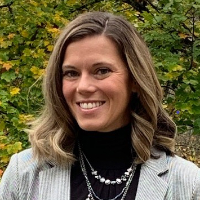
West Virginia · 3 yrs exp
Thoughts and habits focused counselor
Stress, Anxiety · Relationship · Trauma and abuse · Grief · +13 more
Read profile
West Virginia · 22 yrs exp
Practical counseling focused on thoughts and habits
Stress, Anxiety · Family · Trauma and abuse · Parenting · +10 more
Read profile
West Virginia · 8 yrs exp
Thoughts and habits focused counselor
Stress, Anxiety · Family · Trauma and abuse · Self esteem · +15 more
Read profile
West Virginia · 9 yrs exp
Calm, practical therapy for daily thoughts and habits
Stress, Anxiety · LGBT · Intimacy-related issues · Self esteem · +12 more
Read profile
West Virginia · 7 yrs exp
Compassionate counselor helping you build clear goals
Stress, Anxiety · Addictions · LGBT · Intimacy-related issues · +1 more
Read profile
West Virginia · 14 yrs exp
Hopeful guidance for daily thoughts and habits
Stress, Anxiety · Addictions · Trauma and abuse · Anger · +14 more
Read profile
West Virginia · 7 yrs exp
Change-focused counselor who listens
Stress, Anxiety · Self esteem · Depression · Coping with life changes · +16 more
Read profile
West Virginia · 7 yrs exp
Change thinking. Change habits.
Stress, Anxiety · LGBT · Self esteem · Career · +10 more
Read profile
West Virginia · 10 yrs exp
Practical work on thoughts and daily habits
Stress, Anxiety · Trauma and abuse · Parenting · Self esteem · +5 more
Read profile
West Virginia · 4 yrs exp
Practical therapy for thoughts and habits
Stress, Anxiety · Addictions · LGBT · Relationship · +11 more
Read profile
West Virginia · 7 yrs exp
Goal-focused clinical psychologist helping everyday change
Stress, Anxiety · Sleeping · Depression · Relationship · +10 more
Read profile
West Virginia · 26 yrs exp
Compassionate help for stress and daily habits
Stress, Anxiety · Relationship · Self esteem · Career · +1 more
Read profile
West Virginia · 3 yrs exp
Compassionate care for thoughts and daily habits
Stress, Anxiety · Relationship · Self esteem · Depression · +1 more
Read profile
West Virginia · 21 yrs exp
Support for stress, trauma, and everyday habits
Stress, Anxiety · LGBT · Trauma and abuse · Self esteem · +7 more
Read profile
West Virginia · 6 yrs exp
Calm, practical support for everyday struggles
Stress, Anxiety · Addictions · Grief · Self esteem · +1 more
Read profile
West Virginia · 5 yrs exp
Compassionate therapist for everyday change
Stress, Anxiety · Addictions · Trauma and abuse · Depression · +1 more
Read profileOnline therapy has become a common option for people across West Virginia, offering a way to access mental health care without extensive travel. In recent years regulatory frameworks have evolved so that many licensed clinicians provide remote services using video, phone, or text-based methods. How those services are delivered and which professionals may provide them depends on the type of license the clinician holds, such as counseling, social work, or psychology. You will find clinicians who are licensed in West Virginia as well as some who are licensed elsewhere but note that state rules vary about practicing across state lines.
When exploring options you will encounter a mix of session styles - synchronous video or phone sessions that resemble traditional office visits, and asynchronous messaging or email-based support that can supplement regular sessions. Each approach has practical differences in structure and expected response times. It is helpful to review a therapist's profile to understand how they describe their session formats, communication methods, and the populations they work with. That context will help you decide whether a clinician’s way of working fits your preferences and schedule.
Practically, online sessions typically require a reliable internet connection, a device with a camera for video calls when needed, and a quiet place where you can speak without interruption. Some clinicians offer brief introductory calls to explain how their sessions run and to answer questions about practical matters like fees and payment methods. Others list the therapeutic approaches they use, which you can weigh against the kinds of support you want. Many profiles also indicate the languages a clinician speaks and any populations they commonly serve, helping you match cultural or life-stage needs to a therapist’s background.
If you live in a rural area of West Virginia or travel for work, online therapy can reduce the need to commute long distances to appointments. The convenience of joining a session from home or another familiar setting can make it easier to maintain continuity of care when life becomes busy. Online options also broaden the range of clinicians you can consider, allowing you to find someone whose approach and communication style align with your needs even if they are not located in your immediate area.
Another advantage is the flexibility of scheduling. Many clinicians offer a range of session times that may include evenings or early mornings, which can be helpful if you balance work, family, or school commitments. You may also find that online sessions create a comfortable environment for discussing sensitive topics, because you are able to be in a setting where you feel at ease. Finally, online formats can be adapted to different preferences - some people prefer video calls that mimic face-to-face interaction, while others find phone or messaging options less intense and easier to maintain over time.
Online therapists in West Virginia work with a wide spectrum of concerns. Many clinicians focus on mood-related challenges such as anxiety and depression, helping you develop coping strategies for daily stress and emotional regulation. Others support people navigating relationship concerns, family transitions, parenting stress, or challenges related to life stages like college, career changes, or retirement. You will also find clinicians who specialize in grief, adjustment to medical conditions, work-related stress, and identity-related questions.
When you read a profile you may see references to different therapeutic approaches. For example, some clinicians list cognitive behavioral approaches among their methods, while others mention mindfulness-based strategies or trauma-informed care. You may notice therapists who list EMDR among their approaches; that notation indicates the approach is part of what they offer, not a statement about formal certification. Consider the kinds of outcomes you hope to achieve and look for language in profiles that describes focus areas and the typical issues a clinician works with. That narrative will often give you a clearer sense of whether a clinician's experience aligns with your situation.
Verifying a therapist's license is an important step in choosing care. Start by noting the clinician’s full name, license type, and any license number shown on their profile. Different professions are regulated by different state boards, so identify whether the clinician is listed as a counselor, social worker, psychologist, or another licensed professional. West Virginia maintains licensing boards for these professions; many boards provide online lookup tools where you can search by name or license number to confirm a license’s status.
When you locate a license record you will typically see the license’s current standing, issuance and expiration dates, and any disciplinary history that may be recorded. That information helps you determine that the professional is recognized by the state and whether any actions have been taken on their license. If a clinician’s profile indicates they are licensed in a state other than West Virginia and you plan to use online sessions while physically in West Virginia, ask the clinician how their licensure relates to providing services across state lines because rules and permissions can differ by license type.
If you prefer direct confirmation, contact the appropriate West Virginia licensing board by phone or email and request verification. Board staff can usually confirm whether a license is active and whether any restrictions apply. Keeping a note of your verification steps gives you a record of what you checked, which can be helpful later if questions arise about credentials or practice permissions.
Getting started is a practical process that begins with a clear sense of what you want from therapy. Think about the issues you want to address, the communication style that suits you, and any scheduling constraints. Use the directory to filter or scan profiles by credentials, therapeutic approaches, languages, and stated areas of focus. Read clinicians' biographies to learn how they describe their work, and pay attention to the session formats they mention - whether they use video, phone, or messaging - so you know what to expect.
Before your first appointment make sure your device is charged, your internet connection is sufficient for video if needed, and you have a private space where you can talk without interruptions. In the first session you can discuss goals, ask about session length and frequency, and clarify payment methods and cancellation policies. It is reasonable to ask clinicians how they handle urgent concerns or emergencies when you are not in an in-person setting, and to confirm the privacy protections they use for online communications. Having these practical details sorted in advance helps you focus on the work you want to do together.
Selecting a therapist is a personal decision and a good match involves both technical fit and interpersonal connection. Pay attention to how a clinician describes their approach and the populations they commonly work with. If you prefer evidence-informed methods you might look for profiles that describe structured approaches like cognitive behavioral methods. If cultural understanding matters to you, look for clinicians who mention experience with specific communities or who speak a language you prefer. Profiles often indicate the kinds of life stages and situations a clinician commonly supports, which can help you narrow options.
Once you have a short list, reach out to ask brief questions about how they work and what a typical session would involve. Many people also consider practical matters like session length, payment options, and whether a clinician accepts their insurance. Pay attention to your first impressions - the sense you get from an initial conversation about rapport, communication style, and whether the clinician listens to your concerns. It is normal to try more than one clinician before you find the right fit, and many people adjust course as their needs evolve. Keep track of what aspects of the relationship support your progress so you can make informed decisions about continuing or adjusting care.
Finding the right online therapist in West Virginia involves a mix of checking credentials, understanding how therapy will be delivered, and assessing whether a clinician’s approach resonates with you. By taking time to read profiles, verify licensure, and prepare questions for initial conversations, you can move forward with greater confidence and clarity about the kind of support that will work best for you.
Addictions
3412 therapists
ADHD
3185 therapists
Anger
3872 therapists
Control Issues
3892 therapists
Depression
5195 therapists
Eating Disorders
2090 therapists
Gambling
2129 therapists
Grief
4258 therapists
Guilt and Shame
4738 therapists
Hoarding
2237 therapists
Impulsivity
3498 therapists
Isolation / Loneliness
4572 therapists
Mood Disorders
4051 therapists
OCD
4986 therapists
Panic Disorder and Panic Attacks
4261 therapists
Phobias
2734 therapists
Post-Traumatic Stress
4376 therapists
Seasonal Affective Disorder (SAD)
3148 therapists
Self Esteem
4909 therapists
Sleeping Disorders
2182 therapists
Smoking
1167 therapists
Social Anxiety and Phobia
4831 therapists
Stress & Anxiety
5489 therapists
Trauma and Abuse
4750 therapists
Trichotillomania
776 therapists
Body Image
3126 therapists
Career
3285 therapists
Caregiver Issues and Stress
3502 therapists
Communication Problems
4674 therapists
Coping with Life Changes
4575 therapists
Family
4161 therapists
Forgiveness
4277 therapists
Life Purpose
4498 therapists
Parenting
3555 therapists
Relationship
4692 therapists
Self-Love
4471 therapists
Workplace Issues
3867 therapists