
Michelle Pellin
LMHC, LPCConnecticut · 11 yrs exp
Practical help for thoughts and everyday habits
Stress, Anxiety · Parenting · Self esteem · Depression · +16 more
Read profileTherapist listings are provided by BetterHelp. We will earn a commission at no extra cost to you if you use our links to buy.
Welcome to our directory of online therapists serving Connecticut. All therapists listed here are licensed, and you can explore profiles to compare approaches, credentials, languages and areas of focus.
Connecticut · 11 yrs exp
Practical help for thoughts and everyday habits
Stress, Anxiety · Parenting · Self esteem · Depression · +16 more
Read profile
Connecticut · 15 yrs exp
Practical help for thoughts and habits
Trauma and abuse · Grief · Anger · Career · +1 more
Read profile
Connecticut · 16 yrs exp
Practical therapy for thoughts and everyday habits
Stress, Anxiety · Addictions · Family · Anger · +14 more
Read profile
Connecticut · 22 yrs exp
Practical support for stress and relationships
Stress, Anxiety · LGBT · Relationship · Family · +12 more
Read profile
Connecticut · 14 yrs exp
Thoughtful, skill-focused counseling
Stress, Anxiety · Family · Trauma and abuse · Self esteem · +5 more
Read profile
Connecticut · 9 yrs exp
Compassionate, practical therapy for daily struggles
Stress, Anxiety · Addictions · LGBT · Trauma and abuse · +1 more
Read profile
Connecticut · 4 yrs exp
Compassionate, direct therapy for real life challenges
Relationship · Family · Intimacy-related issues · Self esteem · +16 more
Read profile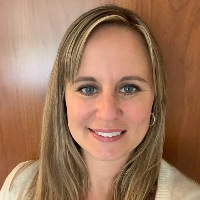
Connecticut · 10 yrs exp
Thoughtful, practical support for habit and thought change
Stress, Anxiety · Addictions · Trauma and abuse · Eating · +14 more
Read profile
Connecticut · 5 yrs exp
Compassionate support for everyday thoughts and habits
Stress, Anxiety · Trauma and abuse · Grief · Bipolar · +9 more
Read profile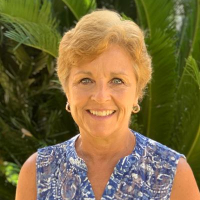
Connecticut · 38 yrs exp
Compassionate LCSW helping with thoughts and habits
Stress, Anxiety · Trauma and abuse · Parenting · Coping with life changes · +12 more
Read profile
Connecticut · 21 yrs exp
Change thoughts and habits with support
Stress, Anxiety · Parenting · Anger · Self esteem · +10 more
Read profile
Connecticut · 9 yrs exp
Practical help for thoughts and habits
Relationship · Trauma and abuse · Grief · Depression · +11 more
Read profile
Connecticut · 27 yrs exp
Change thoughts, change habits
Stress, Anxiety · Relationship · Eating · Depression · +13 more
Read profile
Connecticut · 33 yrs exp
Thoughts and everyday habits focused therapist
Stress, Anxiety · Addictions · Relationship · Anger · +13 more
Read profile
Connecticut · 10 yrs exp
Warm, practical therapy for daily thoughts and habits
Stress, Anxiety · Trauma and abuse · Parenting · Self esteem · +8 more
Read profile
Connecticut · 9 yrs exp
Compassionate help for everyday thinking and habits
Stress, Anxiety · Relationship · Family · Parenting · +10 more
Read profile
Connecticut · 6 yrs exp
Supportive LCSW for thoughts and habits
Stress, Anxiety · Trauma and abuse · Anger · Self esteem · +10 more
Read profile
Connecticut · 14 yrs exp
Focused, practical care for everyday thoughts and habits
Stress, Anxiety · Addictions · Relationship · Self esteem · +9 more
Read profile
Connecticut · 22 yrs exp
Practical therapy for everyday thoughts and habits
Stress, Anxiety · Family · Trauma and abuse · Depression · +14 more
Read profile
Connecticut · 12 yrs exp
Focused help for thoughts and everyday habits
Stress, Anxiety · Grief · Self esteem · Depression · +8 more
Read profile
Connecticut · 22 yrs exp
Thought-focused LCSW helping people change habits
Stress, Anxiety · Trauma and abuse · Grief · Parenting · +5 more
Read profile
Connecticut · 25 yrs exp
Thoughtful support for everyday habits and thoughts
Stress, Anxiety · Parenting · Self esteem · Depression · +1 more
Read profile
Connecticut · 40 yrs exp
Experienced LCSW focused on thoughts and habits
Stress, Anxiety · Relationship · Grief · Intimacy-related issues · +15 more
Read profile
Connecticut · 19 yrs exp
Practical help for troublesome thoughts and habits
Stress, Anxiety · Anger · Self esteem · Bipolar · +1 more
Read profileIf you are looking for online therapy in Connecticut, you will find a broad range of clinicians offering virtual sessions alongside or instead of in-person care. Many licensed mental health professionals in the state maintain online practices that allow you to connect from home, work or another comfortable setting. The rise of telehealth since the early 2020s has made it more common to find clinicians who describe their work in terms of remote sessions, video calls, phone sessions or hybrid models that combine remote and in-person meetings.
When you search for a clinician, the profile descriptions typically highlight clinical focus areas, therapy approaches, languages spoken and relevant credentials. Because state licensing rules shape how clinicians can practice across state lines, therapists who serve Connecticut residents generally indicate their authorization to provide care under Connecticut rules. If you live in a different state but are curious about Connecticut-based clinicians, keep in mind jurisdictional guidelines may affect whether someone can legally offer services to you.
Online therapy can make it easier to access care when commuting is difficult, weather is poor or childcare and work schedules limit your ability to travel. You can use a convenient device and a quiet, comfortable environment to attend sessions without spending time on transportation. For residents in rural towns or suburbs where fewer specialized clinicians practice locally, online therapy widens the range of therapists you can consider, including those who list niche areas of focus that match your needs.
Another practical benefit is continuity. If you move within Connecticut or temporarily relocate for work or school, continuing sessions online can help preserve the therapeutic relationship. Language options are also often clearer in online listings - you can search for clinicians who note fluency in Spanish, Mandarin, Portuguese or other languages and connect without a long commute. While online therapy may not be the right fit for every clinical situation, many people find it a flexible and accessible way to begin or continue mental health care.
Online therapists who list services for adults, adolescents or couples often describe work with a range of concerns, including stress, anxiety, mood changes, relationship difficulties, grief, life transitions and workplace challenges. You will also find clinicians who note experience addressing trauma, obsessive thinking, parenting stress, academic pressure and identity-related concerns. When exploring profiles, pay attention to how clinicians describe their focus areas and whether they mention populations such as teens, young adults, caregivers or older adults.
Therapists frequently reference the approaches they use in sessions. Profiles may list cognitive behavioral approaches, mindfulness-based strategies, psychodynamic perspectives, narrative therapy or experiential methods. You may also find clinicians who list EMDR among their approaches, dialectical strategies among their approaches or other modalities. Because a listed approach does not by itself describe training or outcome, it is helpful to read bios to understand how a clinician frames their practice and the kinds of issues they commonly address in online work.
Verifying a clinician's license is an important step before beginning work together. A profile will often include a license type or number and an indication that the clinician is licensed in Connecticut. You can use that information as a starting point and consult the state's official licensing lookup to confirm status. The state's online license search will let you check whether the license is listed as active, note the license type and indicate any disciplinary actions or restrictions that are recorded by the licensing authority.
If a profile does not list a license number, you can ask the clinician directly for the number and the name under which the license is registered. You may also contact the licensing board by phone or email if you have questions about what the license record means. For clinicians who practice under a provisional or supervised arrangement, the license entry will typically note that status. Verifying licensure helps you confirm that a clinician is authorized to provide mental health services to Connecticut residents and gives you clarity about their formal credentialing.
Beginning online therapy usually starts with a careful review of profiles to narrow your search by focus area, approaches, languages and credentials. Once you identify clinicians whose descriptions resonate, reach out to request an initial conversation or intake information. Many clinicians offer an introductory call or a brief message exchange that allows you to ask about their approach to online sessions, typical session length, fee structure, whether they bill insurance directly and what platform they use for virtual meetings. Bring a checklist of your own priorities - such as comfort with a particular therapeutic approach, interest in working with someone who has experience with specific issues, or a preference for session times that fit your routine.
When you prepare for your first online session, choose a quiet, comfortable environment where you will not be interrupted. Test your device and internet connection ahead of time and make sure you understand the clinician's instructions for joining the session. It can help to set a few goals in advance - short-term priorities you want to address in the near term and longer-term aims that you hope to explore over several months. During the early sessions, notice whether the clinician explains their approach in a way that makes sense to you, whether they invite your feedback, and whether their communication style matches your expectations for warmth and professionalism.
Other practical considerations include cost, insurance acceptance, sliding-scale options and payment policies. If coverage matters to you, ask whether the clinician will provide documentation needed for reimbursement or out-of-network claims. Language and cultural fit are important too; many profiles indicate languages spoken and areas of cultural competence, and you should feel comfortable asking about the clinician's experience relevant to your background and identity. Finally, trust your judgment about fit - a good therapeutic relationship is built on a combination of technical skill and interpersonal connection, and it is reasonable to look for a clinician with whom you feel heard and understood.
Choosing a therapist can feel like an involved process, but it is often iterative. If an initial match does not feel right after a few sessions, you can use what you learned about your preferences to refine your search. Look for clinicians who list approaches and specialties that align more closely with your goals, and consider reaching out to those who share similar perspectives on treatment. With many licensed clinicians offering online options, you have the flexibility to explore until you find an approach and a clinician who support your progress.
Online therapy is a practical and accessible option for many Connecticut residents, offering flexibility in scheduling and access to a wider range of clinicians. By verifying licensure, reading profiles carefully, preparing technically and thinking through your goals, you can make informed choices about the clinicians you contact. Use the listings to compare credentials, stated approaches, languages and areas of focus, and take the time to find a clinician whose way of working feels like a good match for you. Starting therapy is a personal step - taking it with information and intention will help you get the most from the experience.
Addictions
3412 therapists
ADHD
3185 therapists
Anger
3872 therapists
Control Issues
3892 therapists
Depression
5195 therapists
Eating Disorders
2090 therapists
Gambling
2129 therapists
Grief
4258 therapists
Guilt and Shame
4738 therapists
Hoarding
2237 therapists
Impulsivity
3498 therapists
Isolation / Loneliness
4572 therapists
Mood Disorders
4051 therapists
OCD
4986 therapists
Panic Disorder and Panic Attacks
4261 therapists
Phobias
2734 therapists
Post-Traumatic Stress
4376 therapists
Seasonal Affective Disorder (SAD)
3148 therapists
Self Esteem
4909 therapists
Sleeping Disorders
2182 therapists
Smoking
1167 therapists
Social Anxiety and Phobia
4831 therapists
Stress & Anxiety
5489 therapists
Trauma and Abuse
4750 therapists
Trichotillomania
776 therapists
Body Image
3126 therapists
Career
3285 therapists
Caregiver Issues and Stress
3502 therapists
Communication Problems
4674 therapists
Coping with Life Changes
4575 therapists
Family
4161 therapists
Forgiveness
4277 therapists
Life Purpose
4498 therapists
Parenting
3555 therapists
Relationship
4692 therapists
Self-Love
4471 therapists
Workplace Issues
3867 therapists