- Client-centered care
- Thoughts and habits
- Practical goal setting
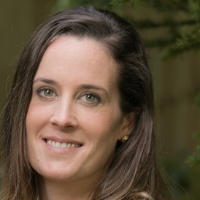
About Robin
Her work is practical and down-to-earth. She uses client-centered methods to shape sessions around each person's needs. Cognitive behavioral strategies and mindfulness tools are part of how she helps people notice and change unhelpful thoughts and habits. Motivational interviewing and solution-focused techniques guide short-term goals and clearer next steps.
Robin has experience with anxiety, trauma-related concerns, depression, mood issues, anger, and relationship and family challenges. She also supports people managing ADHD, autism spectrum traits, chronic illness and pain, obsessive-compulsive concerns, panic, and other stress-related conditions. Her background includes school-based work and outpatient therapy, which gave her a broad view of daily challenges across ages.
In sessions she emphasizes empathetic listening and practical problem solving. Robin helps clients build small, attainable steps and tracks progress together. She focuses on thoughts and everyday habits that affect mood, sleep, and relationships.
People who prefer clear goals, step-by-step plans, and a collaborative tone may find her approach helpful. She aims to help clients feel heard and to move toward the changes they want in daily life.
Areas of expertise
Primary focus
Also works with
Additional focus areas
Therapeutic approaches
Experience
8+ years
Credentials
South Carolina
Languages
English
How therapeutic approaches shape online work
Client-Centered Therapy means the therapist listens closely and follows each person's priorities. This approach focuses on understanding the client's perspective and building treatment around their goals. Cognitive Behavioral Therapy, or CBT, looks at the links between thoughts, habits, and mood and teaches practical skills to change thinking patterns and behaviors that cause distress.Choosing the right approach is part of the therapy process. Robin will work together with each client to decide which strategies fit their needs, values, and goals. That means trying ideas, checking progress, and adjusting plans so they are useful for everyday life.
Confirm the available session options before booking, since specific formats are not listed in the profile. Online therapy can make it easier to fit sessions into a busy schedule, reduce travel time, and allow focused work on thoughts and daily habits between appointments. Some formats may also suit shorter check-ins or sessions when camera use is not preferred. Discussing practical needs up front helps shape sessions that match daily routines and treatment goals.
Frequently asked questions
What concerns does Robin address?
She works with stress, anxiety, depression, trauma-related concerns, anger, relationship and family issues, grief, sleep problems, parenting and career concerns, ADHD, bipolar and other mood disorders, and related areas such as chronic pain and obsessive-compulsive concerns.
What is her therapeutic style like?
Her style is client-centered and collaborative. She uses clear goal setting, problem solving, and practical strategies focused on thoughts and everyday habits.
How much experience does she have?
Robin has eight years of experience working in school-based, day treatment, and outpatient clinic settings with a wide range of concerns.
What credentials and location are listed?
She holds the LPC credential - Licensed Professional Counselor - and practices in South Carolina.
Which languages are supported and can international clients join?
Sessions are offered in English and international clients are not currently accepted.
What session formats are available?
Please confirm current session options before booking, as specific formats are not listed in the profile.
How does payment and cost work?
Cost varies with location and therapist availability; sessions use a subscription that can be canceled at any time.
How do I begin working with Robin?
Use the Start Therapy button, complete a short matching questionnaire, and schedule according to the therapist's availability.