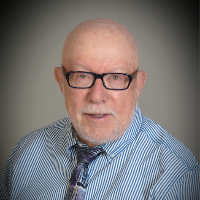
- Warm interactive approach
- Focus on daily habits
- Goal oriented work
About James
He blends approaches that help people notice what matters and take steps that match their goals. Sessions typically focus on shifting unhelpful thinking patterns, building simple daily routines, and strengthening motivation to change. He also draws on techniques that encourage acceptance and present-moment awareness to reduce struggling with difficult feelings.
Many clients come with concerns about relationships, anger, self-esteem, eating-related issues, and the emotional aftereffects of trauma and loss. He also works with people facing caregiver stress, aging and geriatric issues, cancer-related concerns, and end-of-life or hospice decisions. Substance use and codependency are noted areas of focus as well.
Dr. Kowalski describes his counseling as respectful and compassionate. He aims to tailor conversations and practical plans to each person’s situation. Motivational strategies are used to help people follow through on changes they want to make.
With thirty years in the helping professions, he brings steady experience to problem-solving and emotional coping. People who want straightforward, goal-oriented conversation about thoughts and everyday habits may find his approach useful. To begin, choose your next step and the therapist will guide scheduling and initial planning.
Areas of expertise
Primary focus
Also works with
Additional focus areas
Therapeutic approaches
Experience
30+ years
Credentials
Georgia, North Carolina, Florida, West Virginia
Languages
English
How therapeutic approaches guide online work
Acceptance and Commitment Therapy helps people notice unhelpful thoughts and choose actions that match their values rather than getting stuck in struggling. It can be useful for anxiety, stress, and life-direction concerns. Cognitive Behavioral Therapy looks at links between thoughts, feelings, and behaviors and offers practical steps to change patterns that maintain depression, anxiety, or unhealthy habits.Finding the right approach is a collaborative process. The therapist will discuss goals, preferences, and what has or has not worked before to decide which methods to try. Sessions can combine elements from different approaches so the plan fits the client’s needs.
Confirm current session options before booking so you know which formats are available. Online work can make it easier to fit therapy into a busy day, allow shorter check-ins when time is limited, and reduce travel time. It can also let people work with a licensed professional from their state of residence. Ask about the practical session arrangements when you schedule to make sure they match your routine and needs.
Frequently asked questions
What concerns does he commonly address?
He works with stress, anxiety, depression, addictions, grief, anger, relationship struggles, trauma and abuse, eating and self-esteem concerns, bipolar disorder, and compassion fatigue.
What is his therapeutic style like?
His style is warm and interactive, combining person-centered conversation with practical techniques to change thoughts and habits.
How much experience does he have?
He has thirty years of experience in the helping professions and has worked across multiple clinical areas over that time.
What credentials and location apply to this clinician?
He holds LCMHC and LMHC credentials and practices in West Virginia.
Which languages are supported for sessions?
Sessions are offered in English.
Can international clients work with him?
He is not currently accepting international clients.
How are fees and payments handled?
Cost varies with location and therapist availability; sessions use a subscription that can be canceled at any time.
How do I begin working with him?
Select the Start Therapy button, complete a short matching questionnaire, and schedule according to therapist availability.