- Thoughts and habits
- Practical strategies
- Collaborative care
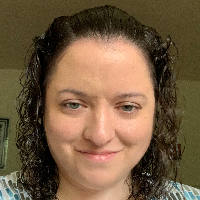
About Pamela
Her work focuses on reducing symptoms and improving daily functioning through clear, manageable changes. Pamela emphasizes self-understanding and stronger communication so people can handle relationship and intimacy-related issues more effectively. She also supports clients facing grief, eating concerns, addiction, bipolar symptoms, ADHD, and self-esteem struggles.
Pamela draws from a range of therapy approaches to match what each person needs. She works with methods that help identify unhelpful thinking, develop new behavior patterns, and strengthen emotional regulation. Sessions aim to be collaborative and goal-oriented, with tools people can use between meetings.
With five years of experience, Pamela blends empathy with practical skills so clients leave sessions with something to try. Her style is calm and focused, prioritizing what will make everyday life easier. People looking for help with attachment issues, caregiver stress, body image, codependency, or communication problems will find specific attention to those areas.
To begin, prospective clients complete a short matching questionnaire and then schedule sessions according to therapist availability. Pamela offers services in English and accepts international clients.
Areas of expertise
Primary focus
Also works with
Additional focus areas
Therapeutic approaches
Experience
5+ years
Credentials
Connecticut
Languages
English
How Pamela’s approaches translate to online care
Acceptance and Commitment Therapy (ACT) helps people notice unhelpful thoughts without getting stuck in them, and then choose actions that match their values. ACT can be useful for anxiety, avoidance, and recurring negative thinking. Cognitive Behavioral Therapy (CBT) focuses on identifying thinking patterns that lead to distress and practicing new ways of responding; it is often used for anxiety, depression, and habit change. Attachment-Based Therapy looks at how early relationships shape expectations and reactions in close connections, and it can help with attachment issues, intimacy challenges, and relationship patterns.Finding the right approach is part of the work. Pamela collaborates with each person to choose methods that match their goals and comfort level. She will review what’s working and adjust approaches over time so sessions feel useful and relevant.
If you are considering online therapy, confirm the current session options before booking. Online care can make it easier to fit therapy into a busy life, reduce travel time, and allow shorter check-ins when schedules are tight. It also gives flexibility for people in different locations, including international clients, and lets therapists focus on tools for changing thoughts and everyday habits that carry over into daily routines.
Frequently asked questions
What concerns does Pamela address?
She helps people facing stress, anxiety, depression, trauma, grief, bipolar symptoms, addictions, and issues around relationships and intimacy.
What is her therapeutic style like?
Her approach is collaborative and practical, focusing on clear strategies to change thinking and daily habits that affect wellbeing.
How much clinical experience does she have?
Pamela has five years of professional experience working with a range of mood, trauma, and relationship concerns.
What credential does she hold and where is she based?
She is a Licensed Professional Counselor - LPC - practicing in Connecticut.
Which languages are supported for sessions?
Sessions are offered in English, and she accepts international clients.
What session formats are available?
Please confirm current session formats before scheduling to be sure they fit your needs.
How does cost and payment work?
Cost varies with location and therapist availability, and sessions use a subscription that can be canceled at any time.
How do I begin working with her?
Click the Start Therapy button, complete a short matching questionnaire, and then schedule according to therapist availability.