- Thoughts and habits
- Trauma-aware
- 25 years experience
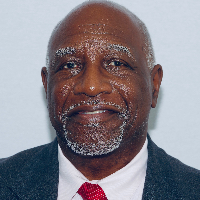
About Wayne
Wayne trained in counseling psychology and has worked as a counselor in Nebraska and Michigan. His background includes work with law enforcement trauma and concerns related to police survivors, and he has experience with issues such as addictions, compassion fatigue, and first responder stress.
His approach blends client-centered care with practical tools. He helps people build self-awareness, spot patterns in thinking and behavior, and try small changes that reduce daily strain. Cognitive-behavioral ideas are used to shift unhelpful thinking, while motivational interviewing supports making gradual changes.
Wayne also draws on existential ideas to help people find meaning and face difficult life questions. Trauma-focused methods are part of his work when past events keep disrupting daily life. He aims to turn obstacles into opportunities and to help people regain focus on daily tasks.
He practices in Michigan and works in English. Sessions are arranged through a subscription model that can be canceled at any time. Prospective clients begin by completing a short matching questionnaire and scheduling according to the therapist's availability.
Areas of expertise
Primary focus
Also works with
Additional focus areas
Therapeutic approaches
Experience
25+ years
Credentials
Michigan
Languages
English
Approaches that guide online work
Wayne commonly uses client-centered work and cognitive-behavioral techniques to address thoughts and everyday habits. Client-centered therapy means listening closely, following the person's priorities, and helping them find their own solutions. Cognitive-behavioral therapy (CBT) looks at how thoughts and routines keep problems going and teaches practical steps to change those patterns.He also uses trauma-focused methods when past events continue to affect daily life. That work focuses on reducing the ways trauma intrudes into current thinking and behavior, and on building skills to cope with reminders and stressors.
Finding the right approach is a collaborative process. The therapist will talk about goals, try different strategies, and adjust the plan based on what fits the person's needs and preferences. Clients and therapist work together to test small changes and track what helps.
Session formats are not specified in the provided biography, so please confirm current options before booking. Online therapy can make it easier to fit sessions into a busy life, save travel time, allow shorter check-ins when needed, or remove the need to be on camera for a meeting. Licensed professionals can use these practical advantages to support consistent work on thoughts, habits, and recovery from trauma.
Frequently asked questions
What kinds of concerns does Wayne address?
He helps people with stress, anxiety, depression, grief, relationship and intimacy issues, addictions, parenting strain, and many other life challenges listed in his specialty areas.
What is his therapeutic style like?
The work is practical and client-centered, focusing on increasing self-awareness, changing daily habits, and using cognitive-behavioral strategies when helpful.
What experience does he bring to sessions?
He has 25 years of counseling experience and has worked with law enforcement trauma and related concerns.
Where is he licensed and based?
He is a Licensed Professional Counselor (LPC) practicing in Michigan and has provided counseling in Nebraska in the past.
Which languages are supported for sessions?
Sessions are offered in English.
Can people outside the United States meet with him?
He accepts international clients, so people outside the U.S. can inquire about working together.
How does cost and scheduling work?
Costs vary with location and therapist availability; sessions use a subscription that can be canceled at any time.
How do I begin working with him?
Start by selecting the Start Therapy button, complete a short matching questionnaire, and then schedule sessions according to the therapist's availability.