- Thoughts and everyday habits
- Stress and anxiety
- Relationship support
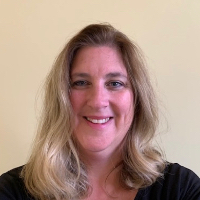
About Tara
Tara uses a down-to-earth style and pays close attention to what each person brings into sessions. She listens, asks simple questions, and works with clients to build on strengths they already have. Humor and genuine, direct interaction are part of how she connects and keeps work realistic and usable.
Her work often includes concrete strategies from cognitive behavioral approaches to change unhelpful thoughts and habits. She also uses client-centered ideas that prioritize the person's goals and narrative techniques that help people reframe difficult life stories. These methods are mixed to match what each person needs for problems like panic attacks, mood struggles, or obsessive patterns.
Tara has long experience supporting people through family of origin issues, divorce and separation, caregiving stress, and workplace or career concerns. She explains options plainly and encourages honest communication about what is and is not working in therapy.
If someone finds her style isn’t the right fit, she will help them think through other options. The focus is on practical steps the person can use between sessions to feel more in control and more able to handle what comes next.
Areas of expertise
Primary focus
Also works with
Additional focus areas
Therapeutic approaches
Experience
24+ years
Credentials
Massachusetts, New Hampshire, Maine
Languages
English
How her approaches translate to online work
Client-Centered Therapy focuses on listening and building a respectful, person-led relationship. It helps when someone needs support naming goals and choosing how to move forward. Cognitive Behavioral Therapy (CBT) looks at how thoughts, feelings, and behaviors interact and uses simple exercises to shift unhelpful patterns; it is often used for anxiety, panic, and mood concerns. Narrative Therapy helps people separate themselves from a problem by re-telling life events and spotting alternative meanings, which can reduce shame and open new choices.Finding the right approach is part of the process. The therapist will work collaboratively to learn about a person's goals, preferences, and daily routines and then suggest a mix of approaches that fit. That plan can change over time based on what helps most.
Practical benefits of online therapy include easier fitting of sessions into a busy week, fewer trips to appointments, and the ability to try brief check-ins when that makes sense. Specific session formats are not listed in this profile, so confirm available options before booking. The emphasis is on making therapy work around life responsibilities while using approachable, skills-based methods that address thoughts and everyday habits.
Frequently asked questions
What kinds of concerns does she address?
Tara works with stress, anxiety, relationship and family concerns, parenting strain, self-esteem, trauma and abuse, intimacy issues, anger, career transitions, ADHD, and related worries like panic, OCD symptoms, and mood difficulties.
How would you describe her therapeutic style?
Her style is down-to-earth and client-centered, using listening, direct questions, humor, and practical strategies to help people change thought patterns and habits that cause trouble.
What experience does she bring?
She has 24 years of clinical experience working with adults and teens on a wide range of life challenges and transitions.
What credentials and location are listed?
She holds an MA and practices as an LMHC and LCPC in New Hampshire.
Are sessions offered in other languages or internationally?
Sessions are offered in English and she is not currently accepting international clients.
What session formats are used?
Session formats are not specified in the profile; please confirm current session options with the service before booking.
How does cost and payment work?
Cost varies with location and therapist availability, and sessions use a subscription that can be canceled at any time.
How do I begin working with her?
Use the Start Therapy button, complete a short matching questionnaire, and schedule according to the therapist's availability.