- Focus on thoughts
- Mindfulness in action
- Skills for coping
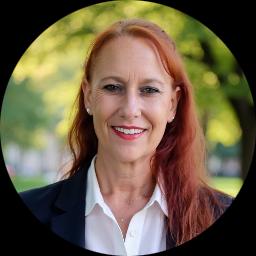
About Tangela
She uses practical tools drawn from cognitive behavioral approaches and mindfulness to help people notice and shift unhelpful thinking and daily routines. Dialectical behavior therapy skills are part of her toolkit for managing intense emotions and building coping skills. She also blends a client-centered way of working that keeps the person’s priorities at the center of each session.
Her background includes long experience supporting people facing relationship challenges, grief, parenting strain, and work-related stress. She also works with concerns such as addiction, ADHD, compassion fatigue, and issues tied to adoption or family of origin. This variety has shaped a flexible approach that aims to match real-life needs.
Sessions focus on clear, usable strategies that fit a person’s daily life. Tangela listens first, helps identify patterns that keep problems going, and then teaches concrete steps people can try between sessions. That mix of attention and practical work is intended to make progress feel steady and relevant.
To begin, she asks about immediate worries and long-term goals. From there she and the person agree on a plan that balances short-term relief with lasting change.
Areas of expertise
Also works with
Additional focus areas
Therapeutic approaches
Experience
19+ years
Credentials
Texas, Maine, Oregon
Languages
English
How her approaches translate to online care
Acceptance and Commitment Therapy (ACT) supports noticing thoughts and values, then choosing small actions that align with what matters. It can help when daily habits or unhelpful thinking get in the way of living the life someone wants. Cognitive Behavioral Therapy (CBT) teaches practical ways to identify and change thought patterns and routines that feed anxiety or low mood. It often involves short exercises and experiments people can practice between sessions. Mindfulness Therapy focuses on present-moment awareness and simple attention practices to reduce reactivity and improve coping with stress.Finding the right approach is part of the work. She will collaborate to figure out which methods fit a person’s goals, needs, and rhythm of life. Sessions start with listening, then try approaches together so people can see what helps and adjust as needed.
Session formats supported by this profile are not specified, so confirm current options before booking. Online therapy can make it easier to fit sessions into busy schedules and to practice new skills where daily life happens. It also allows shorter check-ins when needed, and it can reduce travel time so people can use therapy during breaks or between responsibilities. The therapist and client will discuss what works best for session length and frequency as part of the initial planning.
Frequently asked questions
What kinds of concerns does she help with?
She works with stress, anxiety, trauma and abuse, depression, and a wide range of related concerns such as grief, parenting strain, addictions, ADHD, and relationship issues.
What is her therapeutic style like?
Her style is collaborative and person-centered, combining practical skills training with mindful awareness and attention to each person’s story.
How much experience does she have?
She has 19 years of clinical experience supporting people through anxiety, trauma, mood concerns, and life transitions.
Where is she licensed and based?
She is licensed in Texas and holds LPC and LCPC credentials noted as OR LPC, ME LCPC in her documentation.
Which languages are supported for sessions?
Sessions are offered in English.
Can people outside the US work with her?
She is not currently accepting international clients.
How does payment and cost work?
Cost varies with location and therapist availability; sessions use a subscription that can be canceled at any time.
What are the first steps to begin therapy?
Use the Start Therapy button, complete a short matching questionnaire, and schedule a time according to the therapist’s availability.