- Thoughts and habits
- Collaborative care
- Practical steps
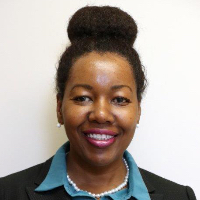
About Tamara
She blends several practical methods in sessions. Cognitive Behavioral Therapy (CBT) helps spot and change unhelpful thoughts and habits. Solution-Focused Therapy looks for small, useful steps forward. Client-Centered Therapy provides a listening space where the client’s goals guide the work.
Dr. Woods draws on more than 20 years of experience working with families to inform her approach, though she focuses on individuals and couples in sessions. She works with concerns such as addictions, bipolar disorder, intimacy-related issues, ADHD, and parenting stress, and she also addresses topics like abandonment, adoption and foster care, caregiver stress, and midlife concerns.
Sessions center on collaboration. She uses Motivational Interviewing when people want support making changes but feel stuck. The goal is to find realistic, day-to-day strategies that fit each person’s life and values.
Her practice is based in North Carolina and sessions are offered in English. Prospective clients are encouraged to start with a short matching questionnaire to find the best next step.
Areas of expertise
Primary focus
Also works with
Additional focus areas
Therapeutic approaches
Experience
14+ years
Credentials
Georgia, North Carolina
Languages
English
How therapeutic approaches shape online work
Attachment-Based Therapy focuses on relationship patterns and how early bonds influence current trust and connection. It can help with intimacy issues, attachment concerns, and relationship conflict by looking at patterns that repeat in adult relationships.Cognitive Behavioral Therapy (CBT) looks at the links between thoughts, feelings, and daily behaviors. CBT helps people identify unhelpful thinking, try small experiments, and build new habits to reduce anxiety or low mood.
Motivational Interviewing supports people who want to change but feel unsure how to start. It uses respectful questions and reflection to clarify motivation and short-term goals.
Finding the right approach is part of the work. The therapist will collaborate with each person to choose methods that match their goals, needs, and preferences. That process may shift as progress is made, and treatment plans are adjusted together.
For practical matters, confirm which session formats are currently offered before booking, since formats are not specified here. Online therapy can make it easier to fit sessions into a busy life, reduce commute time, and allow shorter check-ins when a full session isn’t needed. Some formats also use less bandwidth or let people choose whether to be on camera. Discussing these options helps tailor therapy to everyday routines without assuming a single delivery method.
Frequently asked questions
What kinds of concerns can be addressed here?
She works with stress, anxiety, depression, bipolar disorder, grief, relationship strain, addictions, parenting stress, ADHD, and related life changes.
What is the therapist's general style in sessions?
Sessions are collaborative and goal-focused, combining gentle listening with practical techniques to change thoughts and daily habits.
How much clinical experience does she bring?
The therapist has 14 years of clinical experience as a licensed social worker and over 20 years of working with families.
Where is the therapist located and what credentials does she hold?
She practices in North Carolina and holds the credentials LCSW and CSW, with licensure noted for NC and GA.
Which languages are supported for sessions?
Sessions are offered in English.
Can people outside the United States work with this therapist?
International clients are not currently accepted.
How are sessions arranged and what are the session formats?
Please confirm current session formats before booking, as formats are not specified here; scheduling follows the platform’s process and therapist availability.
How are costs handled and how do I begin?
Cost varies by location and the practice uses a subscription that can be canceled at any time. To start, select the Start Therapy button, complete a short matching questionnaire, and schedule according to availability.