- Thoughts and everyday habits
- Collaborative practical work
- Video and phone sessions
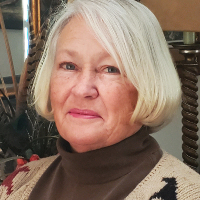
About Suzanne
Suzanne brings many years of mental health experience to her work. She began as a psychiatric registered nurse in 1976 and later moved into therapy. Over the years she has worked in inpatient psychiatric settings and community mental health, including therapeutic foster care. That background informs how she sees patterns in behavior and thought.
Her style centers on practical, collaborative guidance. She believes people often hold the answers they need, and her role is to help point the way. She uses a mix of approaches and chooses techniques that match each person's comfort and goals.
In sessions she focuses on thoughts and everyday habits alongside emotions and relationships. Methods may include acceptance and commitment strategies, cognitive-behavioral exercises, mindfulness practices, and solution-focused steps to make changes feel doable. The emphasis is on small, steady shifts that add up over time.
Suzanne favors conversations that are direct but empathetic. She typically conducts therapy by live video or phone chat, and she does not use live text chat for sessions. Her Tennessee practice reflects a long career of working with individuals across many concerns and life stages.
Areas of expertise
Primary focus
Also works with
Additional focus areas
Therapeutic approaches
Experience
15+ years
Credentials
Tennessee, Florida, Alabama
Languages
English
How her approaches translate to online work
Acceptance and Commitment Therapy (ACT) helps people notice difficult thoughts and choose actions that fit their values. Online ACT sessions often focus on clarifying what matters to the client and practicing small, value-driven steps between meetings. Cognitive Behavioral Therapy (CBT) breaks problems into thoughts, feelings, and behaviors and uses short exercises to change unhelpful patterns. In remote sessions CBT can include practical homework, thought records, and stepwise behavior experiments to try between appointments.Finding the right approach is a collaborative process. Suzanne will work with each person to choose methods that fit their needs, goals, and comfort level. Sessions evolve based on what proves useful, and adjustments are made when something is not helping.
She typically offers live video and phone chat for therapy, so confirm current session options before booking. Online work can make it easier to fit therapy into a busy day, allow shorter check-ins when needed, and reduce travel time. Phone sessions can be a good option when a quieter location or less bandwidth is helpful, while video can support visual cues and more interactive exercises. Ask about which format might best support your goals when you schedule.
Frequently asked questions
What concerns does Suzanne help with?
She supports people dealing with stress, anxiety, parenting challenges, anger, low self-esteem, ADHD, addictions, relationship and family issues, trauma and abuse, grief, eating concerns, bipolar and depression, and coping with life changes.
What is her therapeutic style like?
Her approach is practical and collaborative. She focuses on thoughts and everyday habits and works with clients to find small, doable changes toward their goals.
How much experience does she have?
She has 15 years in the therapist role and a longer history in mental health beginning as a psychiatric RN in 1976, with work in inpatient and community settings.
What credentials and region are listed?
She holds LCSW and LICSW credentials and practices in Tennessee.
Which languages are sessions offered in?
Sessions are offered in English and international clients are not currently accepted.
What session formats are used?
She indicates a preference for live video and phone chat for sessions and does not use live text chat for therapy; confirm current session options before booking.
How does cost and payment work?
Cost varies with location and therapist availability, and sessions use a subscription that can be canceled at any time.
How do I begin working with her?
Click the Start Therapy button, complete a short matching questionnaire, and schedule sessions according to therapist availability.