- Client-centered approach
- Thought pattern work
- Practical goal setting
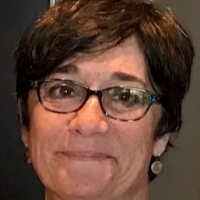
About Suzanne
She helps people build self-compassion and practical skills for managing stress and difficult emotions. Sessions often include looking at thought patterns, trying small behavior changes, and setting realistic goals that fit daily life. Suzanne uses straightforward methods to help people cope with grief, career stress, and big life transitions.
Her background includes long experience with trauma and addiction, and attention to LGBTQ+ related concerns and identity questions. Over two decades she has supported people dealing with burnout, caregiver strain, and complicated family dynamics. That experience informs how she tailors each session to a person’s situation.
Suzanne often combines client-centered listening with approaches that target unhelpful thoughts and habits. She works collaboratively to notice what’s working and what needs to change. People who prefer practical steps alongside emotional support tend to find this approach useful.
For readers considering therapy, Suzanne asks that you be ready to explore your thinking and daily routines. She encourages small experiments between sessions to build momentum toward clearer goals and steadier coping.
Areas of expertise
Primary focus
Also works with
Additional focus areas
Therapeutic approaches
Experience
21+ years
Credentials
Texas
Languages
English
How Suzanne uses talk therapy and practical tools online
Client-centered therapy focuses on listening and understanding each person’s experience. The therapist follows the person’s lead, reflects what is said, and helps people feel heard while they decide on next steps. Cognitive Behavioral Therapy, or CBT, looks at the links between thoughts, feelings, and actions and teaches simple exercises to test and change unhelpful thinking. Motivational Interviewing helps people find their own reasons to change by exploring ambivalence and building confidence in small steps.Finding the right approach is part of the work. Suzanne treats approach selection as collaborative. She will talk with the client about goals, try methods that match those goals, and adjust strategies if something isn’t helpful. The process is flexible and driven by what the person needs and prefers.
The practical benefits of online therapy can include easier fitting of sessions into a busy week and fewer barriers to getting started. Because the original biography does not list specific session formats, confirm current session options before booking. Many people find that meeting with licensed professionals online makes it simpler to keep progress steady and to practice new habits between sessions.
Frequently asked questions
What kinds of concerns does Suzanne address?
She works with a wide range of concerns including stress, anxiety, depression, addictions, trauma, grief, relationship and intimacy questions, parenting strain, and issues related to identity.
What is her general approach in therapy?
The approach is client-centered and collaborative, with attention to thoughts and everyday habits. She combines listening with practical strategies to change unhelpful thinking and behavior.
How much experience does she have?
Suzanne has 21 years of professional experience working with people facing mood disorders, trauma, addiction, and life transitions.
Where is she licensed and based?
She is a Licensed Professional Counselor, credentialed as TX LPC, and practices in Texas.
What languages are supported for sessions?
Sessions are offered in English.
Which session formats are offered?
The original biography does not list specific session formats; please confirm current session options before booking.
How are fees and payment handled?
Costs vary with location and therapist availability; sessions use a subscription that can be canceled at any time.
How do I begin working with Suzanne?
Use the Start Therapy button, complete a short matching questionnaire, and schedule according to therapist availability.