- Thoughts and habits
- Practical skills
- Collaborative planning
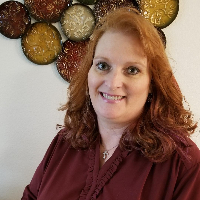
About Shelly
Shelly uses a client-centered style that keeps the person’s goals in view. She draws on cognitive behavioral techniques to spot unhelpful thinking and build new routines. Dialectical behavior strategies are used to teach emotion regulation and coping skills for intense moments. Attachment-based ideas guide work on relationships and patterns rooted in early connections.
When trauma is part of the story, Shelly may incorporate bilateral stimulation or eye movement desensitization and reprocessing, when appropriate. She prefers to set clear, practical goals and to make plans that fit a person’s life and schedule. Sessions aim to be interactive and focused on real changes that people can use between appointments.
Shelly has worked across mental health settings with children, adolescents, and adults and has experience with ADHD, autism, parenting challenges, and grief. She places emphasis on building trust, improving communication, and reducing day-to-day stressors. Her approach is collaborative and paced around each person’s readiness.
Shelly practices in Idaho as an LCSW and conducts therapy in English. To begin, people complete a short matching questionnaire and schedule based on availability. The subscription model for sessions can be canceled at any time.
Areas of expertise
Primary focus
Also works with
Additional focus areas
Therapeutic approaches
Experience
9+ years
Credentials
Idaho
Languages
English
How these approaches translate to online work
Attachment-Based Therapy focuses on patterns in close relationships and how early bonds affect current connections; it helps people understand relationship triggers and rebuild safer ways of relating. Client-Centered Therapy emphasizes empathy and listening, giving people space to tell their story while the therapist reflects and supports their own pace and choices. Cognitive Behavioral Therapy (CBT) looks at thoughts and daily habits to identify unhelpful patterns and replace them with practical strategies for mood and behavior change.Choosing the right approach is a collaborative process. The therapist will talk with the person about goals, past experiences, and what has or hasn’t helped before. Together they try methods that match the person’s needs and adjust the plan as progress happens.
The biography does not list specific session formats, so confirm current online options before booking. In general, online work can make it easier to fit therapy into a busy life - sessions can be scheduled around work, caregiving, or school, and certain methods can be adapted to shorter check-ins or longer skill-building sessions. Online sessions also allow work on thoughts and everyday habits in the context of the person’s actual routine, which can help transfer new skills into daily life.
Frequently asked questions
What concerns does Shelly help with?
She supports people coping with stress, anxiety, depression, trauma, anger, ADHD, addictions, relationship and family issues, grief, intimacy issues, eating and sleeping problems, parenting challenges, self-esteem, career changes, and compassion fatigue.
What is her therapeutic style?
Her style is warm and client-centered. Sessions are interactive and focus on practical changes in thoughts and everyday habits.
How much experience does she have?
She has nine years of experience as a therapist and additional years working in mental health settings with children, adolescents, and adults.
What credentials and location apply?
She is a licensed clinical social worker, LCSW, practicing in Idaho.
In which language are sessions offered?
Sessions are offered in English. International clients are not currently accepted.
What session formats are available?
The original biography does not specify session formats, so confirm current options before booking to know whether virtual or in-person sessions are offered.
How is cost handled?
Cost varies with location and therapist availability, and sessions use a subscription that can be canceled at any time.
How do I get started?
Click the Start Therapy button, complete a short matching questionnaire, and schedule according to therapist availability.