- Thoughts and habits
- Trauma and grief
- First responder focus
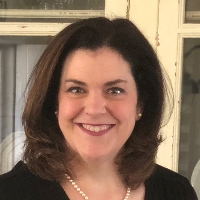
About Shannon
She often begins by looking at thoughts and everyday habits that shape feelings and behavior. Shannon uses worksheets and clear explanations to uncover the beliefs that make problems stick. She also draws on basic neurobiology to show how small changes in routine can speed up progress.
Her background includes years as a crisis counselor for fire and emergency services and roles supporting first responders and military personnel. That work led to leadership positions focused on psychological health and intake for behavioral health services. These roles shaped her focus on trauma, grief, and coping with big life changes.
In sessions she mixes practical skill-building with an open, down-to-earth style. Humor and straightforward feedback are common early on to help people feel comfortable. She tailors tools from several approaches to fit the issue at hand, whether anxiety, depression, or caregiver stress.
Shannon helps people address sleep problems, anger, relationship and family-of-origin issues, chronic illness stress, and compassion fatigue. She also supports those coping with abandonment, divorce, and career transitions. Her work centers on helping clients rewrite habits and thoughts that get in the way of daily life.
Areas of expertise
Primary focus
Also works with
Additional focus areas
Therapeutic approaches
Experience
26+ years
Credentials
Arizona
Languages
English
How Shannon’s approaches translate to online therapy
Shannon blends Client-Centered Therapy and Cognitive Behavioral Therapy to help people understand and change unhelpful thoughts. Client-Centered Therapy focuses on listening and creating space for the person to lead sessions, which can help people feel heard and respected. Cognitive Behavioral Therapy uses practical exercises and worksheets to identify thought patterns and build new habits, which can be useful for anxiety, depression, and sleep issues.Finding the right approach is a shared process. She will work with each person to decide which methods fit their needs and goals. That collaborative step helps shape whether sessions emphasize skills work, emotional processing, or a mix of both.
If you are considering online therapy, confirm current session options before booking since formats are not specified here. Online sessions can make it easier to fit therapy into daily life by removing travel time and allowing appointments during a lunch break or between commitments. Some formats also let people have shorter check-ins when schedules are tight or avoid video when bandwidth is limited. Shannon uses her clinical approaches to adapt exercises and worksheets so they work in a remote setting when that format is chosen.
Frequently asked questions
What concerns does Shannon commonly help with?
She works with stress, anxiety, depression, grief, self-esteem, career and sleep problems, plus trauma and compassion fatigue.
What is her therapy style like?
Her approach is practical and down-to-earth, using worksheets, clear explanations, and sometimes humor to help people change thoughts and habits.
How much clinical experience does she have?
Shannon has 26 years of experience that include crisis counseling, roles supporting first responders, and leadership positions in psychological health and intake.
What are her credentials and location?
She is a Licensed Professional Counselor (LPC) practicing in Arizona.
Which languages are supported for sessions?
Sessions are offered in English.
Does she work with clients outside the United States?
She is not currently accepting international clients.
How does billing and cost work?
Cost varies with location and therapist availability; sessions use a subscription model that can be canceled at any time.
How do I begin working with her?
Select the Start Therapy button, complete a short matching questionnaire, and schedule according to therapist availability.