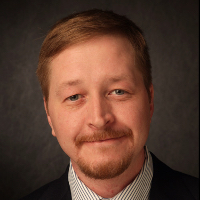
- Goal oriented
- Thoughts and habits
- Plain spoken
About Ryan
Ryan frames therapy around what matters to each person. He uses plain talk to identify patterns in thought and habit. Sessions often focus on small changes that can reduce stress, manage anxiety, or improve communication. He also addresses areas like addiction, grief, parenting strain, and self-esteem concerns.
His background includes undergraduate and graduate study in philosophy, psychology, religion, and linguistics. That combination shows up in sessions as attention to meaning, personal values, and how people talk about their lives. He brings these perspectives into conversations about career choices, intimacy, and coping with life changes.
Ryan uses approaches that include attachment-based work, client-centered methods, cognitive behavioral techniques, existential questions, and motivational interviewing. These tools help people notice unhelpful thought patterns and try new behaviors between sessions. He encourages practical experiments rather than abstract theory.
People who prefer direct, goal-focused conversations may find his style helpful. He aims to make therapy something that fits into everyday life, with steps that feel usable after a session ends.
Areas of expertise
Primary focus
Also works with
Additional focus areas
Therapeutic approaches
Experience
10+ years
Credentials
Nebraska, Nebraska, Washington
Languages
English
Therapeutic approaches and how they translate online
Attachment-Based Therapy looks at how relationships and early bonds shape current patterns. It can help people understand trust, closeness, and how they respond in relationships. Cognitive Behavioral Therapy (CBT) focuses on identifying unhelpful thoughts and testing new behaviors. It is useful for anxiety, depression, and habit change by practicing small experiments between sessions. Motivational Interviewing helps people find their own reasons to change and build motivation when they feel stuck.Choosing the right approach is part of the work. The therapist will talk with each person about goals, preferences, and what has or hasn't helped before. Together they decide which methods to try and adjust them as progress is made so sessions feel relevant and useful.
The biography does not list specific online session formats, so confirm current options before booking. Online sessions can make it easier to fit therapy into a busy day, allow a shorter check-in when needed, and reduce travel time. They also let people keep momentum between visits by practicing techniques learned in session in their daily routines.
Frequently asked questions
What concerns does Ryan help with?
He addresses stress, anxiety, depression, addictions, relationship and family issues, grief, parenting, ADHD, and several other concerns listed in his specialties.
What is his therapeutic style like?
His style is direct and goal-focused, using plain language and practical steps to address thoughts and everyday habits.
How much experience does he have?
He has ten years of clinical experience working with a broad range of concerns.
What credentials and region are listed?
He holds LMHC and LIMHP credentials with practice in Nebraska as noted in his profile.
Which languages are supported and can he work internationally?
Sessions are offered in English and he accepts international clients.
What session formats are available?
The biography does not specify session formats; please confirm current session options when you schedule.
How does cost work for sessions?
Cost varies with location and therapist arrangements, and sessions use a subscription that can be canceled at any time.
How do I begin working with him?
Use the Start Therapy button, complete a short matching questionnaire, and schedule according to the therapist's availability.