- Practical coping skills
- Collaborative goal setting
- Direct conversational style
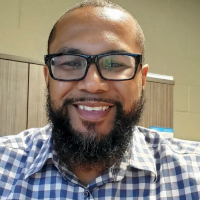
About Rodrecus
He uses several psychological approaches to match different needs, with a strong grounding in Cognitive Behavioral Therapy. In sessions he keeps communication direct and clear, and he brings honesty, humility, and sometimes humor to the work. Expectations and goals are discussed together so the work stays useful and relevant.
Rodrecus often helps people with life changes, parenting strains, grief, addiction concerns, and issues around identity and intimacy. He also addresses struggles linked to attachment, body image, codependency, and compassion fatigue. He approaches every concern without stigmatizing labels and with sensitivity to each person's story.
Sessions focus on thoughts and everyday habits, coping skills, and building routines that support better day-to-day functioning. He balances listening with practical strategies clients can try between meetings. The aim is steady progress rather than quick fixes.
Rodrecus practices in South Carolina and conducts work in English. He invites people who are ready to take steps toward change to begin the process and to discuss what would make therapy most helpful for them.
Areas of expertise
Primary focus
Also works with
Additional focus areas
Therapeutic approaches
Experience
11+ years
Credentials
South Carolina
Languages
English
How these approaches translate to online work
Acceptance and Commitment Therapy (ACT) helps people notice unhelpful thoughts and choose actions that match their values. It can be useful for worry, low motivation, and struggles with life changes. Cognitive Behavioral Therapy (CBT) focuses on spotting thought patterns and testing them with practical exercises to reduce symptoms like anxiety and depression. Attachment-Based Therapy looks at relationship patterns and helps people understand how early bonds shape current ways of relating and reacting.Finding the right approach is part of the process. The therapist will work together with the client to pick methods that match goals, preferences, and what feels most useful in session. That collaborative checking-in helps tailor sessions as needs change over time.
Confirm the specific session options before booking since formats were not specified in the biography. Online therapy can make scheduling easier and help sessions fit around work, school, or family obligations. It can also support shorter check-ins when time is tight, or allow people to avoid travel on busy days. Licensed professionals aim to keep sessions focused on thoughts and everyday habits so clients can try strategies between meetings and track gradual progress.
Frequently asked questions
What kinds of concerns does this therapist address?
He works with a wide range of issues including stress, anxiety, depression, parenting struggles, relationship problems, addiction concerns, grief, ADHD, and challenges around intimacy and identity.
How would you describe his therapeutic style?
His style is adaptable and direct, combining clear conversation with compassion, honesty, and occasional humor. He focuses on practical steps and routines alongside open discussion.
What is his experience background?
He has 11 years of experience working in counseling and the mental health field with people facing diverse concerns.
What are his credentials and location?
He holds an LPC credential and practices in South Carolina.
Which languages are supported for sessions?
Sessions are offered in English.
Can international clients work with this therapist?
International clients are not currently accepted.
How does pricing work for sessions?
Cost varies with location and therapist scheduling; sessions use a subscription that can be canceled at any time.
How do I begin working with him?
Select the Start Therapy button, complete the short matching questionnaire, and schedule according to therapist availability.