- Practical habit focus
- Thought-based strategies
- Decades of experience
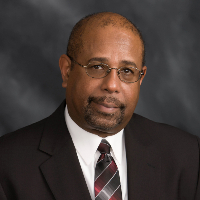
About Ricardo
He has more than five decades of experience in social work and clinical practice. That background includes work in private practice and leadership roles in behavioral health programs. He has also developed and evaluated mental health programs for hospitals and correctional settings and taught in local colleges.
In the room he uses approaches that emphasize thoughts and everyday habits, including Cognitive Behavioral Therapy and Acceptance and Commitment Therapy. He also draws on attachment-based and client-centered ideas to help people build better relationships and stronger routines.
Sessions tend to focus on clear, actionable steps. Clients can expect to talk about what currently gets in the way, practice new ways of responding, and set small behavior changes to try between meetings. Progress is tracked through changes in day-to-day patterns rather than abstract goals.
He works from Mississippi and offers services that can be arranged for people outside the region. Before scheduling, readers should confirm the current session options and timing that best fit their needs.
Areas of expertise
Primary focus
Also works with
Additional focus areas
Therapeutic approaches
Experience
51+ years
Credentials
Mississippi
Languages
English
How these approaches translate to online work
Acceptance and Commitment Therapy (ACT) encourages people to notice difficult thoughts and feelings while choosing actions that match their values. It is useful for anxiety, depression, and making steady life changes. Cognitive Behavioral Therapy (CBT) focuses on identifying unhelpful thought patterns and changing behaviors step by step to reduce symptoms like worry, low mood, and sleep problems. Attachment-Based Therapy looks at relationship patterns and helps people build safer, more reliable ways of relating to others.Finding the right approach is collaborative. The therapist will discuss goals and preferences, try methods that fit the person's needs, and adjust the plan as progress is observed. Clients and the therapist decide together which strategies to emphasize.
The therapist's biography does not list specific online formats, so confirm available session types before booking. Many people find online sessions make it easier to fit therapy into busy days, reduce travel time, or allow shorter check-in meetings when schedules are tight. Talk with the therapist about what will work best for scheduling, attention needs, or technical comfort, and they will help arrange a practical plan that fits everyday life.
Frequently asked questions
What kinds of problems does he help with?
He supports people facing stress, anxiety, depression, relationship and intimacy concerns, grief, addiction, sleep problems, parenting strain, ADHD, and other listed issues.
What is his general approach in therapy?
He uses thought-focused and habit-focused methods like Cognitive Behavioral Therapy and Acceptance and Commitment Therapy, plus attachment-based and client-centered work to address how people think and act day to day.
How much clinical experience does he have?
He brings 51 years of experience in social work and behavioral health, including private practice, program development, consulting, and teaching roles.
What are his credentials and where is he based?
He is a Licensed Clinical Social Worker (LCSW) and holds a PhD. He practices from Mississippi.
Can I work with him if I live outside the United States?
He accepts international clients. Sessions are offered in English.
What session formats are available?
The original biography does not list specific session formats; please confirm the current session options before booking.
How does payment or cost work?
Cost varies with location and therapist availability; sessions use a subscription that can be canceled at any time.
How do I begin working with him?
Choose the Start Therapy button, complete a short matching questionnaire, and schedule according to the therapist's availability.