- Strengths focused
- Grief support
- Practical tools
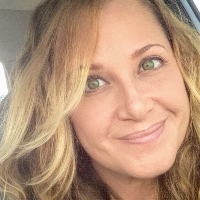
About Renée
With 21 years of counseling experience, Renée centers sessions on each person's strengths and resilience. She treats clients as the expert on their own life and offers guidance while people try new habits and perspectives. Her work aims to increase self-awareness, reduce unhelpful thoughts, and build coping skills people can use quickly.
Renée uses client-centered methods alongside techniques from cognitive behavioral therapy, dialectical behavior therapy, emotionally focused therapy, and mindfulness. She draws on long experience with grief, end-of-life care, and work with children, which shapes how she responds to loss and family stress. Her style is open-minded, empathetic, and nonjudgmental.
She earned a master’s degree with magna cum laude honors and has been a Licensed Clinical Social Worker in Florida since 2009. Renée co-founded the Tampa Bay chapter of the American Foundation for Suicide Prevention and has many years of experience in hospice and palliative counseling.
Renée invites people ready to make changes to try focused, practical work together. She aims to help people find meaning, purpose, and improved day-to-day coping in a relatively short time.
Areas of expertise
Primary focus
Also works with
Additional focus areas
Therapeutic approaches
Experience
21+ years
Credentials
Florida
Languages
English
How therapy approaches translate to online work
Client-centered therapy focuses on listening, validation, and following the client’s lead to help people try practical changes. It helps when someone wants a therapist who emphasizes strengths and personal choices. Cognitive behavioral therapy (CBT) looks at how thoughts, feelings, and actions connect and teaches specific strategies to shift unhelpful thinking and behaviors, which can help with anxiety, depression, sleep, and eating concerns. Dialectical behavior therapy (DBT) adds skills for managing strong emotions, improving relationships, and tolerating distress in everyday life.Finding the right approach is a collaborative process. The therapist will work with the person to decide which techniques to use based on the person’s needs, goals, and preferences. That plan can change as progress is made or new issues arise.
Confirm the current session options before booking since formats are not listed here. Online therapy can make it easier to fit sessions into a busy life, reduce travel time, and allow shorter check-ins when schedules are tight. It also lets people use mindfulness and behavioral tools in the situations where they happen, so practice and coaching can happen between sessions in real time.
Frequently asked questions
What concerns does Renée work with?
She supports people facing stress, anxiety, grief, parenting challenges, depression, and relationship or family issues, plus areas like ADHD, self-esteem, and compassion fatigue.
How would you describe her therapeutic style?
Her style is open-minded and empathetic, centering on each person’s strengths while offering practical steps to try between sessions.
What kind of experience does she bring?
Renée has 21 years of counseling experience and a decade working with hospice and palliative care, along with long-term work with children and grief support.
What credentials and location are listed?
She is a Licensed Clinical Social Worker (LCSW) licensed in Florida and practices from that state.
In which languages can sessions be conducted?
Sessions are offered in English.
Does she see clients outside the United States?
She does not accept international clients at this time.
How does pricing work for sessions?
Cost varies by location and therapist availability; sessions use a subscription that can be canceled at any time.
What are the first steps to begin therapy?
Click the Start Therapy button, complete a short matching questionnaire, and then schedule sessions according to the therapist’s availability.