- Collaborative therapy
- Focus on habits
- Practical steps
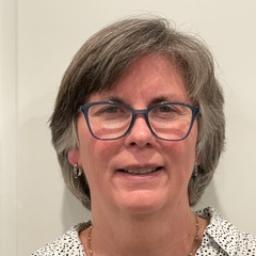
About Rebecca
Her approach blends Acceptance and Commitment Therapy, cognitive behavioral ideas, and solution-focused strategies. Sessions emphasize clear goals, skill-building, and noticing how everyday thoughts and habits affect mood and behavior. Rebecca looks for ways clients can try new actions that match their values and long-term aims.
Rebecca brings five years of counseling experience to her practice. She describes the work as a partnership where the person’s strengths guide progress. Conversations typically focus on practical tools, simple experiments, and rebuilding routines that support better days.
She helps people facing relationship strain, addiction concerns, grief, trauma, parenting stress, career transitions, and compassion fatigue. Additional focus areas include mood disorders, ADHD, attachment concerns, and issues like codependency and money stress. The aim is to make real-life changes that fit each person’s situation.
Rebecca asks new clients to take a small first step: a brief matching questionnaire and then scheduling. Her style is warm and direct, and she emphasizes steady progress rather than quick fixes.
Areas of expertise
Primary focus
Also works with
Additional focus areas
Therapeutic approaches
Experience
5+ years
Credentials
Alabama, Virginia
Languages
English
Approach-driven online therapy that focuses on thoughts and habits
Rebecca often uses Acceptance and Commitment Therapy to help people notice what matters to them and take small actions that reflect those values. ACT can be useful for stress, anxiety, grief, and for breaking unhelpful cycles of avoidance.She also draws on Cognitive Behavioral Therapy, which focuses on spotting and changing unhelpful thoughts and routines. CBT techniques may include simple experiments, thought records, and practice tasks that target everyday habits and mood.
Finding the right approach is part of the work together. The therapist will discuss goals and preferences and help decide which methods to try first. That choice is collaborative and can change as needs shift over time.
Confirm the specific online session options before booking, as formats are not listed in the profile. In general, online therapy can make it easier to fit sessions into a busy schedule, allow shorter check-ins when needed, and reduce travel time. It can also make it simpler to keep continuity during life changes while working on practical habits and thought patterns.
Frequently asked questions
What concerns does Rebecca address?
She supports people with stress, anxiety, depression, bipolar and mood disorders, trauma and abuse, grief, addictions, and related concerns like ADHD and panic attacks.
What is her therapeutic style?
Her style is client-centered and collaborative. Sessions focus on small, practical steps and on building routines that change everyday thoughts and habits.
How much experience does she have?
Rebecca has five years of experience working as a counselor with a range of concerns and life transitions.
What credentials and where is she located?
Rebecca holds LPC credentials in Alabama and Virginia and practices from Alabama.
What languages are supported and can international clients join?
Sessions are offered in English. International clients are not currently accepted.
What session formats are available?
Please confirm current session options before booking, as formats are not specified in the profile.
How are costs handled?
Cost varies with location and therapist availability; sessions use a subscription that can be canceled at any time.
How do I begin working with her?
To begin, select the Start Therapy button, complete a short matching questionnaire, and schedule according to therapist availability.