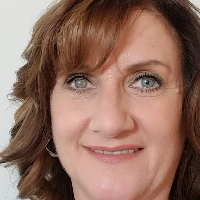
- Focus on daily habits
- Strengths-based approach
- Practical goal setting
About Phyllis
She works in a collaborative way that centers each person's goals. Sessions focus on building on strengths and restoring hope. Phyllis talks with clients about concrete habits and ways of thinking, then practices new responses together in the room.
Her approach blends client-centered listening with techniques from cognitive behavioral therapy and mindfulness to address day-to-day struggles. She also draws on relationship-focused work when partners or family dynamics are involved. That mix helps with mood concerns, communication problems, and many kinds of stress.
Phyllis has worked with people facing grief, trauma, addiction, identity questions, and parenting stress. She pays attention to attachment and family of origin issues when those shapes a person's current patterns. Her style is direct but empathetic, with an emphasis on practical change.
People who choose Phyllis usually want clear goals and usable tools for life outside therapy. She asks about values, daily routines, and small habits first, then helps make step-by-step plans that fit everyday life.
Areas of expertise
Primary focus
Also works with
Additional focus areas
Therapeutic approaches
Experience
5+ years
Credentials
North Carolina
Languages
English
Approaches that address thoughts and everyday habits
Phyllis commonly blends client-centered work and cognitive behavioral therapy to help people change patterns in thinking and daily routines. Client-centered work means she listens closely to a person’s goals and values and uses that as the starting point for change. Cognitive behavioral therapy focuses on identifying unhelpful thoughts and testing small, practical behavior changes to see what works.She also uses mindfulness approaches to help people notice automatic reactions and choose different responses. Mindfulness practices can be useful for managing anxiety, stress, and strong emotions by building simple, repeatable habits.
Finding the best approach is part of the process. Phyllis works collaboratively to match methods to a person’s needs, goals, and preferences. She reviews progress together and adjusts strategies when needed so therapy stays practical and relevant.
Confirm current session options before booking so you know how sessions will be scheduled. Online therapy can make it easier to fit sessions into a busy life, reduce travel time, and allow shorter check-ins when needed. Many people find that working through thoughts and everyday habits translates well to remote sessions, while the therapist and client decide together which tools and session rhythm fit day-to-day routines.
Frequently asked questions
What concerns does she help with?
She helps people with stress, anxiety, relationship and family problems, parenting, depression, addiction, grief, anger, self-esteem, career and ADHD-related challenges.
What is her therapeutic style like?
Her style is collaborative and strengths-based, combining client-centered listening with practical techniques to change thoughts and habits.
How much clinical experience does she have?
She has five years of experience working with diverse clients and addressing a wide range of emotional and relationship concerns.
Where is she licensed and practicing?
She is a Licensed Marriage and Family Therapist (LMFT) licensed in North Carolina.
In which languages can sessions be held?
Sessions are offered in English.
Can international clients work with her?
She is not currently accepting international clients.
How are session costs handled?
Cost varies with location and therapist availability; sessions use a subscription that can be canceled at any time.
How do I begin working with her?
Select the Start Therapy button, complete a short matching questionnaire, and schedule according to therapist availability.