- Relationship focus
- Emotion-focused work
- Practical steps
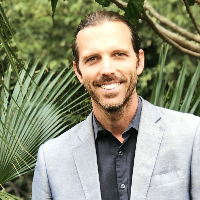
About Paul
Paul uses a client-centered stance that puts the person’s experience first. He leans on emotionally-focused ideas to help clients notice and name feelings so they can connect differently with others. He also draws from attachment-based and cognitive behavioral approaches when helpful.
In session, Paul aims to create a calm space where needs and desires can be heard. He listens for patterns in thoughts, behavior, and relationship dynamics. Then he helps clients try small, practical steps to change those patterns and test what works.
His background includes nine years in the field and five years in private practice working with issues such as anxiety, depression, trauma, intimacy, addiction, grief, parenting, and stress. He has also worked with concerns like body image, codependency, and blended family problems.
Paul describes therapy as a collaborative process rather than a one-size-fits-all plan. He focuses on building connection, improving communication, and stabilizing emotional reactions so people can carry those skills into daily life.
Areas of expertise
Primary focus
Also works with
Additional focus areas
Therapeutic approaches
Experience
9+ years
Credentials
Florida, Oregon, Washington
Languages
English
Approaches that guide online work and learning
Paul often draws from emotionally-focused therapy to help people name and respond to core feelings in relationships. This approach looks at interactions and helps partners or individuals shift how they connect so they can feel more understood.He also uses attachment-based ideas to track how early patterns influence current relationship behavior. That perspective helps identify repeated responses to stress and then practice different ways of relating. Cognitive behavioral techniques are used when useful to notice thought patterns and try small behavioral experiments to change daily habits.
Finding the right approach is part of the work. Paul will talk with clients about goals, preferences, and what feels most useful. Together they decide which methods to try and adjust as progress is made or needs change.
The therapist's biography does not list specific online session formats, so confirm current options before booking. In general, online sessions can make it easier to fit therapy into a busy life, allow shorter check-ins when needed, and reduce travel time. Licensed professionals can use different modes to match what helps you engage and practice new patterns in everyday routines.
Frequently asked questions
What concerns does Paul commonly address?
He works with relationship and family struggles, trauma and abuse, intimacy issues, anxiety, depression, addictions, grief, eating and sleeping concerns, parenting and career stress, and related areas such as body image and codependency.
What is his therapeutic style like?
Paul practices in a client-centered way and uses emotionally-focused ideas to help people identify feelings and patterns. He also draws on attachment and cognitive-behavioral techniques to support practical change.
How much experience does he have?
He has nine years of overall experience and about five years working in private practice with a range of relational and emotional concerns.
Which credentials and region are listed for this therapist?
He is a licensed marriage and family therapist with the LMFT credential and practices in Florida.
What languages are supported for sessions?
Sessions are offered in English, and international clients are accepted.
What session formats are available?
The original biography does not list specific session formats, so please confirm current session options before booking.
How does cost and billing work?
Cost varies with location and therapist availability, and sessions use a subscription that can be canceled at any time.
How do I begin working with this therapist?
To get started, select the Start Therapy button, complete a short matching questionnaire, and schedule a time based on the therapist's availability.