- Thoughts and habits
- Strengths focused
- Goal oriented
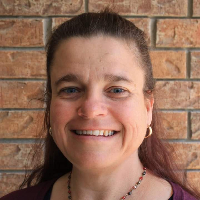
About Michelle
Michelle uses a strengths-focused style that starts where a person is. She pays attention to relationships and how they shape everyday thoughts and habits. Sessions often center on improving communication and building routines that support better mood and functioning.
Her training includes a master’s degree in mental health counseling and a PhD in counselor education and supervision. She also holds registration as a play therapist and values play as a way to learn and heal across the lifespan. Michelle draws on this background when working with people who prefer experiential approaches.
Therapy with Michelle balances understanding past experiences and moving toward future goals. Conversations explore patterns that affect daily life - thoughts, reactions, and habits - and then test small changes. She encourages practical steps you can try between sessions and reviews what helps.
People come to Michelle for a wide range of concerns, including relationship and family strain, parenting stress, grief, trauma, and attention challenges. Her approach is collaborative and goal-oriented. She helps people identify strengths, set achievable steps, and measure progress over time.
Areas of expertise
Primary focus
Also works with
Additional focus areas
Therapeutic approaches
Experience
10+ years
Credentials
Arkansas
Languages
English
How therapeutic approaches shape online work
Attachment-Based Therapy looks at how early and current relationships shape feelings and behavior. It helps people understand patterns in close relationships and improve how they connect and communicate. Cognitive Behavioral Therapy (CBT) focuses on the links between thoughts, feelings, and actions. It teaches practical skills to change unhelpful thinking and build new daily habits.Choosing the right approach is part of the process. The therapist will work together with the client to match methods to needs, goals, and preferences. That collaborative conversation helps identify whether attachment-focused work, CBT tools, or a blend will be most useful.
Confirm current session options before booking, as formats are not specified here. Online work can make it easier to fit therapy into a busy week and to keep momentum between appointments. It also allows for shorter check-ins when schedules demand it, and for focusing on real-life changes in the context of everyday routines. Licensed professionals can adapt exercises, homework, and communication styles to make online sessions practical and results-oriented.
Frequently asked questions
What concerns does she help with?
She supports people dealing with anxiety, depression, stress, trauma, parenting strain, relationship and family problems, grief, ADHD, bipolar challenges, and life changes.
What is her therapeutic style like?
She uses a collaborative, strengths-focused style that centers on improving thoughts and everyday habits and on setting clear goals for change.
How much experience does she have?
Michelle has ten years of counseling experience working with a range of mood, relationship, and life adjustment issues.
What credentials and where is she licensed?
She is a Licensed Professional Counselor (LPC) in Arkansas and holds a master’s degree in mental health counseling plus a PhD in counselor education and supervision.
Which languages are supported?
Sessions are offered in English only.
Can people outside the U.S. work with her?
International clients are not currently accepted.
How is cost handled for sessions?
Cost varies with location and therapist availability; sessions use a subscription that can be canceled at any time.
How do I begin working with her?
Click the Start Therapy button, complete a short matching questionnaire, and schedule according to the therapist's availability.