- Thoughts and everyday habits
- Goal focused
- Collaborative
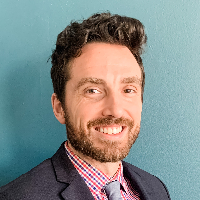
About Michael
He draws on familiar, goal-focused methods such as Cognitive Behavioral Therapy and Client-Centered Therapy. He also uses Existential ideas and elements of the Gottman Method and Motivational Interviewing when they fit the person's needs. Sessions aim to identify patterns in thoughts and daily habits and then test small changes that build into better routines.
Michael emphasizes collaboration and clear goals. He works with each person to set realistic steps and measures progress along the way. Conversations are direct but respectful, and homework or small experiments are often part of the plan.
His training includes a master's degree from the University of Central Florida earned in 2011. Over the years he has worked in many clinical settings and continues to follow developments in assessment and treatment through his role as a Scientific Solutions Director.
He offers telehealth work and has provided virtual sessions for more than five years. People interested in starting are asked to use the Start Therapy button and complete a short matching questionnaire to schedule a session.
Areas of expertise
Primary focus
Also works with
Additional focus areas
Therapeutic approaches
Experience
15+ years
Credentials
Pennsylvania, Florida
Languages
English
How therapeutic approaches translate to online work
Client-Centered Therapy focuses on listening, reflecting, and helping the person lead the conversation. Online sessions using this approach let people set the pace and topics that matter most to them. Cognitive Behavioral Therapy (CBT) looks at how thoughts and daily habits shape feelings and behavior; virtually it often includes tracking patterns, trying brief experiments, and reviewing results together. Existential Therapy helps people clarify values and meaning when they face big life questions or change, and it can fit well into regular online conversations about goals and choices.Finding the right approach is part of the work. The therapist will talk with each person about their needs, goals, and preferences and then choose methods collaboratively. That means checking in and adjusting methods if something doesn’t feel helpful.
The biography indicates experience offering telehealth for more than five years, but it does not list specific session formats here. Please confirm current session options before booking. Online therapy can make it easier to fit sessions into a busy life - for example, it can reduce travel time, allow shorter check-ins during a workday break, or let people engage without needing to be on camera if that helps with focus. These practical benefits often help people maintain regular appointments and apply what they work on between sessions.
Frequently asked questions
What concerns does this therapist help with?
He supports people facing stress, anxiety, depression, relationship and family issues, trauma and abuse, grief, eating and intimacy-related concerns, ADHD, and other life changes.
What is his therapeutic style like?
His style is compassionate and client-centered, with a focus on clear goals and practical steps. He often uses small experiments and homework to change unhelpful patterns.
How much clinical experience does he have?
He has 15 years of clinical experience working across a variety of settings and populations.
Where is he licensed and based?
He holds the LMHC and LPC credentials and practices from Pennsylvania; the credentials listed are FL LMHC and PA LPC.
Which languages are supported for sessions?
Sessions are offered in English and international clients are accepted.
What session formats are offered?
The original biography mentions telehealth experience but does not list specific session formats; please confirm current session options before booking.
How does payment and cost work?
Cost varies with location and therapist availability, and sessions use a subscription that can be canceled at any time.
How do I begin working with him?
Choose the Start Therapy button, complete a short matching questionnaire, and schedule according to therapist availability.