- Thoughts and habits
- Practical strategies
- Longstanding experience
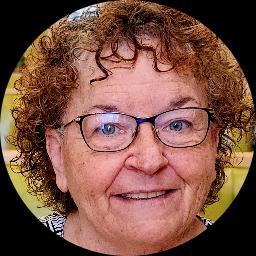
About Mary
Her approach centers on person-focused conversation and evidence-informed techniques. Sessions tend to look at patterns of thinking and day-to-day routines that keep problems stuck. Mary listens for how beliefs, relationships, and life events affect coping, then helps people try small, manageable changes.
She brings long experience supporting people through major life transitions and chronic challenges. That includes caregiver stress, chronic illness, workplace strain, and complicated grief. Mary also works with concerns such as addiction, anger, ADHD, and bipolar mood challenges, using methods that match each person’s needs.
Therapy blends open conversation with goal-focused work. Techniques may include exploring personal meaning, addressing patterns from the past, and setting step-by-step plans to change unhelpful habits. Sessions aim to build clearer thinking, greater self-compassion, and practical skills for everyday life.
Mary practices in Iowa and offers services in English. She welcomes people who want straightforward talk and tools they can use between sessions. To begin, she asks people to describe their current struggles and what they hope to change.
Areas of expertise
Also works with
Additional focus areas
Therapeutic approaches
Experience
30+ years
Credentials
Iowa
Languages
English
How Mary’s Approaches Shape Online Therapy
Client-centered work focuses on the person’s goals and experience. The therapist follows the client’s lead, reflects what she hears, and helps people clarify what matters most in their lives. This approach is useful for stress, self-esteem, and everyday habit changes.Psychodynamic work looks at patterns that developed over time and how they show up now. It can help people understand recurring relationship issues or emotional reactions that feel automatic. Motivational interviewing is a short-term style that helps people find their own reasons to make changes, which can be helpful for addictions or when people feel stuck.
Finding the right approach is part of the process. Mary will talk with each person about goals, preferences, and past experiences, and together they decide which methods to try. That collaborative planning helps match techniques to the problem at hand and to the pace the person prefers.
Confirm current session options before booking so you know how sessions will be delivered. Online therapy can make it easier to fit appointments around work, caregiving, or medical needs, and it often reduces travel time. Some formats also let people have shorter check-ins or avoid video when bandwidth or energy is limited, which can make regular care simpler to maintain.
Frequently asked questions
What concerns does Mary help with?
She helps people with stress, anxiety, depression, trauma and abuse, grief, self-esteem, addictions, and related concerns such as caregiver stress and chronic illness.
How would you describe her therapeutic style?
Her style is person-centered and practical, combining open conversation with focused steps to change everyday thoughts and routines.
What kind of clinical background does she have?
Mary has thirty years of clinical experience working with mood disorders, trauma-related issues, addiction, and life transitions.
Where is she licensed and located?
She is licensed as an LMHC in Iowa and provides services from that state.
Which languages are supported for sessions?
Sessions are offered in English, and she accepts international clients.
What session formats are available?
Confirm current session options before booking so you know which formats are offered for working together.
How are costs handled?
Cost varies with location and therapist availability; sessions use a subscription that can be canceled at any time.
How do I begin if I want to work together?
Click the Start Therapy button, complete a short matching questionnaire, and then schedule according to therapist availability.