- Thoughts and habits
- Practical coping skills
- Collaborative approach
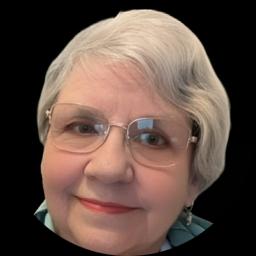
About Mary
Her work is straightforward and client-centered. She listens first, then helps people identify patterns in thoughts and habits that make life harder. Mary often uses cognitive-behavioral strategies to change unhelpful thinking and behavioral patterns. She also draws on emotion-focused and narrative ideas to help people understand and reframe difficult experiences.
Sessions aim to build coping tools and small routines that fit into busy lives. She helps people with life changes, career stress, anger, eating concerns, and managing mood challenges like depression and bipolar concerns. Parenting and family dynamics are common topics too, approached one person at a time.
Mary emphasizes respect and collaboration. She supports clients who want to work on abandonment or attachment issues, adoption and foster care matters, caregiving stress, chronic illness, and communication problems. The goal is steadier daily habits and clearer ways of responding to stress.
Over nearly three decades she has guided people through trauma recovery and transitions. Her practical focus is on what people can try between sessions, whether that means new coping steps, communication experiments, or reshaping a problematic routine.
Areas of expertise
Primary focus
Also works with
Additional focus areas
Therapeutic approaches
Experience
27+ years
Credentials
Missouri
Languages
English
Therapeutic approaches and online support
Client-Centered Therapy centers on the person's experience and priorities, with the therapist listening closely and following the client's lead to build trust and clarity. This approach helps when people need a space to sort feelings and make decisions. Cognitive Behavioral Therapy, or CBT, looks at the links between thoughts, feelings, and actions and teaches practical steps to change unhelpful thinking and habits; it is useful for anxiety, stress, and mood difficulties. Dialectical Behavior Therapy, or DBT, adds skills for regulating intense emotions and improving interactions, which can help with anger, relationship strain, and persistent distress.Finding the right approach is part of the work. Mary collaborates with each person to decide which methods fit their goals and daily life. She adapts techniques over time, combining listening-focused work with concrete exercises to practice between sessions.
Confirm current session options before booking since the profile does not list formats. Online therapy can make it easier to fit sessions into a busy week, shorten travel time, or allow for a quick check-in when schedules are tight. It can also let people use phone-only or lower-bandwidth options if video is difficult, but check what is available when you arrange an appointment.
Frequently asked questions
What concerns does Mary focus on?
She works with stress, anxiety, grief, parenting, self-esteem, relationship and trauma and abuse issues, among other concerns listed in her profile.
How would you describe her therapy style?
Her style is listening-first and collaborative, with a focus on changing thoughts and everyday habits to improve daily functioning.
What kind of experience does she bring?
She has 27 years of counseling experience working with a wide range of life challenges and transitions.
What are her credentials and where is she based?
She holds the LPC credential and practices in Missouri.
Does she offer sessions in other languages or internationally?
Sessions are offered in English and she accepts international clients.
What session formats are available?
Please confirm current session format options before booking, as the profile does not list specific formats.
How are costs handled?
Cost varies with location and therapist availability; sessions use a subscription that can be canceled at any time.
How do I begin working with her?
Click the Start Therapy button, complete a short matching questionnaire, and schedule according to therapist availability.