- Thoughts and habits
- Practical skills
- Collaborative care
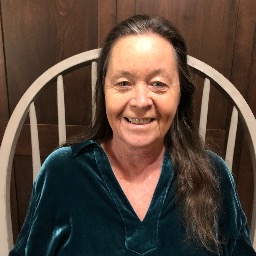
About Mary
Mary began counseling in 1995 and earned a Master’s degree in Counseling from Webster University in 1997. She has run a private practice since 1998 and has experience in inpatient, community, school, and residential settings. That background includes work with eating disorders, PTSD, serious mental illness, and a broad range of emotional health challenges.
In sessions she draws on several methods to match the needs of the person in front of her. She uses techniques from Cognitive Behavioral Therapy to notice thought patterns, Dialectical Behavior Therapy skills for emotional regulation, Acceptance and Commitment Therapy to clarify values, and EMDR for trauma processing when appropriate. Her style is collaborative and practical; she aims to teach tools people can use between sessions.
Mary has also provided group work, family and couples support, and animal-assisted therapy in some settings. She emphasizes clear goals and steps toward change, rather than lengthy theory talks. People looking for straightforward strategies and steady clinical experience may find her approach useful.
Her listed specialties include coping with life changes, ADHD, grief, addiction, intimacy issues, bipolar concerns, and LGBT-related matters, among others. She practices in North Carolina and offers services in English.
Areas of expertise
Primary focus
Also works with
Additional focus areas
Therapeutic approaches
Experience
23+ years
Credentials
North Carolina
Languages
English
How her methods translate to online work
Mary uses approaches such as Cognitive Behavioral Therapy and EMDR in ways that can suit remote sessions. CBT focuses on identifying thought patterns and practicing new behaviors, which often works well across distance because it uses homework, worksheets, and short in-session skill practice. EMDR addresses traumatic memories through guided processing and can be adapted to a remote setting when appropriate and agreed upon by the therapist and client.Choosing an approach is a joint process. She will discuss goals and preferences with each person and recommend techniques that fit those needs. That collaborative decision helps shape whether to emphasize acceptance and values work, skills training, or trauma-focused processing.
If you are considering online therapy, confirm the available session options before booking so you know what formats are offered. Many people find remote work helps fit therapy into a busy life by saving travel time, allowing shorter check-ins during a workday, or avoiding the need to be on camera for every meeting. Licensed professionals can tailor session pace and tools to match your circumstances and goals, making progress possible even when in-person visits are not practical.
Frequently asked questions
What kinds of concerns does she help with?
Her specialties include stress, anxiety, depression, relationship issues, trauma and abuse, coping with life changes, addictions, grief, ADHD, and more.
How would you describe her therapy style?
She uses a practical, collaborative style that focuses on small, useful changes and teaching coping skills for everyday life.
What is her professional background?
She has 23 years of experience in counseling, has run a private practice since 1998, and has worked in inpatient, school, community, and residential settings.
What credentials and region are listed?
She holds the LCMHC credential and practices in North Carolina.
Which languages are supported in sessions?
Sessions are offered in English.
Can people outside the U.S. work with her?
She does not accept international clients at this time.
How are sessions priced?
Cost varies with location and therapist availability; sessions use a subscription that can be canceled at any time.
How do I begin working with her?
Click the Start Therapy button, complete a short matching questionnaire, and schedule according to the therapist’s availability.