Therapist listings are provided by BetterHelp. We will earn a commission at no extra cost to you if you use our links to buy.

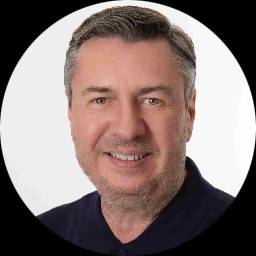
Mark Lowman

Therapist · United Kingdom

Mark Lowman, NCPS, BACP

Practical support for anxious thoughts and habits

Continue with Mark

Review online therapy options on BetterHelp.

  • Focus on daily habits
  • Practical coping tools
  • Work and relationship stress

About Mark

Mark Lowman welcomes people who are feeling overwhelmed by stress, low mood, relationship strain or work pressure. He introduces a calm, down-to-earth way of talking things through. Mark aims to help clients notice unhelpful thoughts and build everyday habits that make life feel more manageable. He uses elements of cognitive behavioural therapy, client-centred work, dialectical strategies and emotionally focused ideas to help with anxiety, intrusive memories and difficult feelings. Sessions focus on practical tools and on making sense of repeated patterns that cause pain. Mark also works with issues such as self-esteem, intimacy concerns, addictive behaviours and coping with big life changes. Mark trained as a psychotherapist and holds NCPS and BACP registrations. He spent years in corporate roles before moving into counselling, so he brings an understanding of workplace stress and performance pressure. That background often helps when conversations turn to career decisions and team conflicts. In sessions he aims to hear what matters to each person first, then introduce small, usable skills for day-to-day life. Conversations are paced to suit the individual, balancing listening with practical strategies. Over time the focus is on reducing the hold of anxious thoughts and building steadier routines. If someone is unsure where to begin, Mark suggests starting with a short questionnaire and a brief introductory meeting to clarify goals and next steps. Sessions are conducted in English and run from his United Kingdom practice.

Areas of expertise

Also works with

AddictionsRelationship issuesIntimacy-related issuesAnger managementDepression

Additional focus areas

AbandonmentAttachment issuesBody imageCommunication problemsCoping with natural or human-caused disasterDependent personalityDivorce and separationEmptinessForgivenessGuilt and shameHoardingImpulsivityInfidelityIsolation / lonelinessJealousyLife purposeMen's issuesVeteran and Armed Forces IssuesMoney and financial issuesNarcissismObsessions, compulsions, and OCDPanic disorder and panic attacksPhobiasPost-traumatic stressProcess addiction (porn, exercise, gambling)Seasonal Affective Disorder (SAD)Self-loveSex addictionSexual assault and abuseSocial anxiety and phobiaWorkplace issues

Therapeutic approaches

Acceptance and Commitment Therapy (ACT)Client-Centered TherapyCognitive Behavioral Therapy (CBT)Dialectical Behavior Therapy (DBT)Emotionally-Focused Therapy (EFT)HypnotherapyMindfulness TherapyNarrative TherapyPsychodynamic TherapySolution-Focused TherapyTrauma-Focused TherapyInternal Family Systems

Experience

3+ years

Credentials

NCPS · United Kingdom, BACP · United Kingdom, NCPS · United Kingdom

Languages

English

How therapeutic approaches translate to online work

Acceptance and Commitment Therapy (ACT) helps people notice painful thoughts and focus on what matters most, using simple exercises to change how they respond. Cognitive Behavioural Therapy (CBT) looks at links between thoughts, feelings and actions, and offers practical techniques to reduce anxiety and unhelpful thinking. Emotionally-Focused Therapy (EFT) centres on making sense of strong emotions in relationships and improving how people express needs and connect with others.

Finding the right approach is part of the work together. The therapist will discuss goals, preferences and how different methods might suit a person’s situation, and will adapt the plan as those needs become clearer. This is a collaborative process aimed at fitting therapy to the individual rather than forcing a single method.

The biography does not list specific online session formats, so please confirm the available options before booking. Many people find online sessions helpful because they can fit appointments into a busy week, reduce travel time or choose shorter check-ins when days are hectic. Others prefer to meet face to face for longer, deeper sessions; either way the emphasis is on practical ways to use therapy within everyday life.

Frequently asked questions

What concerns does Mark commonly help with?

He helps people struggling with stress, anxiety, trauma and abuse, low self-esteem, addiction-related behaviours, relationship and intimacy issues, anger and depression, among other concerns.

What is his general therapeutic style?

The approach is warm and practical, combining listening with teaching tools to use between sessions. Work often focuses on changing unhelpful thoughts and building everyday habits.

How much experience does he have?

Mark has three years of professional experience working as a psychotherapist and counsellor.

What credentials and location are listed?

He is registered with NCPS and BACP and practises in the United Kingdom.

Which languages are supported?

Sessions are offered in English.

What session formats are available?

The original biography does not specify session formats, so please confirm current session options with the service before booking.

How are fees and payments organised?

Costs vary by location and therapist availability; sessions use a subscription model that can be cancelled at any time.

How do I begin working with him?

Start by selecting the Start Therapy button, completing a short matching questionnaire, and scheduling according to the therapist's availability.

Back to all therapists

Mark LowmanReview online therapy options on BetterHelp.

Continue with Mark