- Thoughts and habits
- Practical steps
- Warm listening
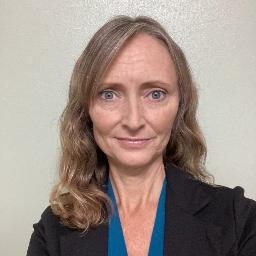
About Maggie
Her work centers on everyday thoughts and habits that shape mood and behavior. She draws on cognitive behavioral ideas to help identify unhelpful thinking and try different responses. She also brings client-centered listening to make space for each person's priorities and goals.
Maggie uses mindfulness practices to help people calm their attention and notice patterns without harsh judgement. Motivational interviewing is part of her approach when people want help with change and need to build motivation. Narrative elements are used to look at the stories people tell themselves and consider new ways of understanding life events.
Over nine years of practice inform her focus on concrete skills and small experiments. Sessions usually include clear steps, short homework, and check-ins on progress. The goal is to find practical strategies that fit a person’s day-to-day life.
Maggie practices in Minnesota and works in English. People who want to begin are invited to follow the site’s start process to match and schedule a first session.
Areas of expertise
Primary focus
Also works with
Additional focus areas
Therapeutic approaches
Experience
9+ years
Credentials
Minnesota
Languages
English
How key approaches shape online work
Maggie often uses cognitive behavioral techniques that focus on how thoughts affect mood and behavior. This approach breaks problems into manageable steps, helps test unhelpful thoughts, and builds new habits through short experiments and practical exercises.She also uses client-centered methods that prioritize listening and reflecting what matters to each person. That style creates space for people to set their own goals and for the therapist to follow their lead in choosing next steps.
Finding the right approach is part of the work together. Maggie will talk with each person about their needs and goals, then suggest techniques to try. Those choices are adjusted over time based on what helps and what feels doable in daily life.
If you prefer online sessions, check the platform listing to confirm which formats are offered before booking. Online work can make it easier to fit therapy into busy schedules, allow for brief check-ins when time is limited, and let people practice skills where they live and work. Ask about format details when you schedule so sessions match your routine and needs.
Frequently asked questions
What kinds of concerns does this therapist address?
Maggie works with stress, anxiety, depression, bipolar symptoms, addiction concerns, trauma and grief. She also supports people dealing with relationships, self-esteem, sleep and eating issues.
How would you describe the therapeutic style?
The approach is practical and collaborative. Maggie combines client-centered listening with cognitive behavioral techniques and mindfulness to help people change thoughts and habits.
What is Maggie's professional background?
She has nine years of clinical experience focused on mood, addiction, trauma, and behavior change. That experience informs her emphasis on skills people can use between sessions.
What credential and region are listed for this therapist?
She holds the LPCC credential and practices in Minnesota.
Which languages are supported during sessions?
Sessions are offered in English only.
What formats are available for sessions?
The original biography does not list specific session formats. Please confirm current session options before booking through the site.
How is cost handled for sessions?
Cost varies with location and therapist availability; sessions use a subscription that can be canceled at any time.
How do I begin working with Maggie?
Select the Start Therapy button, complete the short matching questionnaire, and schedule according to therapist availability.