- Focus on strengths
- Thoughts and habits
- Seven years' experience
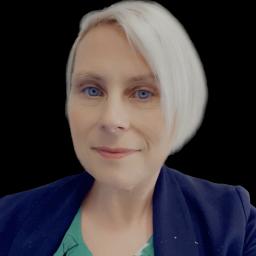
About Louise
She works from the view that each person knows their own story best. That means sessions centre on the person's experiences and goals rather than a one-size approach. Louise aims to help people build on their strengths and try manageable changes that fit their daily life.
Over seven years of professional practice she has supported people with issues such as addiction, grief, anger and compassion fatigue, and with questions around identity including LGBT concerns. She also has experience with attachment-related difficulties, abandonment and the effects of foster or adoptive backgrounds.
Louise uses approaches rooted in client-centred, existential and psychodynamic work. In practice this can mean listening closely to what matters to a person, exploring values and meaning, and noticing how past relationships shape current patterns.
The tone in sessions tends to be steady and pragmatic. People can expect a space to talk things through, try new ways of relating to difficult thoughts and everyday habits, and plan small, concrete steps that make life feel more manageable.
Areas of expertise
Also works with
Additional focus areas
Therapeutic approaches
Experience
7+ years
Credentials
BACP · United Kingdom
Languages
English
How Louise's approaches translate to online work
Client-Centred Therapy is about listening closely and following the person's lead. It helps when someone needs a non-judgemental space to make sense of feelings and decide what matters to them. Existential Therapy looks at values, meaning and choice. It can support people facing big life changes or questions about purpose. Psychodynamic Therapy pays attention to patterns shaped by earlier relationships and how these show up now; it can help with recurring difficulties in relationships and repeated reactions to stress.Finding the right approach is usually a joint process. The therapist will discuss what matters to the person, try out ways of working and adjust based on what helps most. That collaborative route aims to match methods to a person's goals rather than sticking to one fixed plan.
The original profile does not list specific online session formats, so please confirm the exact options before booking. In general, online sessions can make it easier to fit therapy into a busy week, reduce travel time and allow for shorter check-ins when needed. They also let people connect with a therapist while managing work, caring responsibilities or mobility constraints without having to rearrange large parts of their day.
Frequently asked questions
What kinds of concerns does Louise help with?
She works with a range of issues including stress, anxiety, depression, trauma and abuse, self-esteem and addictions, plus related concerns such as grief, anger and compassion fatigue.
What is the general approach in sessions?
The approach is person-centred and collaborative, focusing on a client's lived experience, values and everyday habits to identify practical steps forward.
What experience does the counsellor have?
Louise has seven years of professional experience supporting people with emotional and behavioural difficulties across a range of issues.
What credentials and location are listed?
She is registered with the British Association for Counselling and Psychotherapy (BACP) and practises in the United Kingdom.
Can sessions be held in other languages or internationally?
Sessions are offered in English and international clients are not currently accepted.
Which session formats are offered?
The original profile does not specify session formats; please confirm current session options before booking.
How are sessions paid for and what does it cost?
Costs vary with location and therapist availability; sessions use a subscription model that can be cancelled at any time.
How do I begin working with this counsellor?
Use the Start Therapy button, complete a short matching questionnaire, and then schedule sessions according to the therapist's availability.