- Listening first
- Practical steps
- Short-term goals
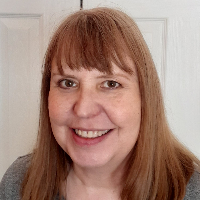
About Lisa
She begins by hearing the person’s story before offering suggestions. That means sessions often start with focused listening, then move to concrete steps to try between meetings. Lisa favors short-term work when it will help reach clear goals, and she will suggest referrals when a different specialty is a better match.
Her background includes supporting people with depression, grief and loss, obsessive-compulsive patterns, addictions, and relationship struggles. She also helps with midlife transitions, parenting stress, caregiver strain, and issues tied to aging. Lisa pays attention to how thoughts and daily habits shape feelings and behavior, and she helps people test small changes that can make life easier.
Therapeutic approaches used include client-centered therapy, cognitive behavioral techniques, emotion-focused ideas, existential questions about meaning, and solution-focused strategies. Those methods are applied in ways that keep sessions practical and goal-oriented. Lisa encourages honest feedback so therapy stays useful and relevant to each person’s life.
Lisa holds LCSW in Missouri and LSCSW in Kansas. Sessions are offered in English and she does not take international clients. To begin, follow the Start Therapy process and complete the short matching questionnaire.
Areas of expertise
Primary focus
Also works with
Additional focus areas
Therapeutic approaches
Experience
19+ years
Credentials
Missouri, Kansas
Languages
English
How therapeutic approaches guide online work
Client-centered therapy is about listening closely and building treatment around the person's goals. It helps when someone wants choices and respect for their own expertise about their life. Cognitive behavioral therapy focuses on spotting and testing unhelpful thoughts and small behavior changes that reduce anxiety, depression, or compulsive patterns. Emotionally-focused ideas pay attention to important feelings in close relationships and help people name and respond to those emotions differently.Finding the right approach is part of the work. The therapist will discuss options and help decide together which methods fit the person's needs, goals, and preferences. That collaborative process can include trying different techniques and adjusting based on what helps most.
Confirm the available session formats before booking because the biography does not list them. Online work can make scheduling easier, let people join from a quieter place, reduce travel time, and allow shorter check-ins when needed. For many, remote sessions make it simpler to fit therapy into a busy week while still using the same practical, thought-focused techniques that guide in-person care.
Frequently asked questions
What kinds of concerns does she help with?
She works with stress, anxiety, depression, grief, relationship and parenting struggles, addictions, OCD, bipolar mood issues, and related life changes.
What is her therapy style like?
Her approach is client-centered and collaborative, focusing on listening first and offering practical options for changing thoughts and everyday habits.
How much experience does she have?
She has 19 years of clinical experience working with individuals and couples on mood, relationship, and life transition concerns.
What credentials and location are listed?
She holds LCSW in Missouri and LSCSW in Kansas and practices from Missouri.
Which languages are supported?
Sessions are offered in English only and international clients are not accepted.
What session formats are available?
Please confirm current session options before booking, as the biography does not specify which formats are offered.
How is payment handled?
Cost varies with location and therapist availability; sessions use a subscription that can be canceled at any time.
How do I get started?
Click the Start Therapy button, complete the short matching questionnaire, and schedule according to the therapist's availability.