- Thoughts and habits
- Trauma-aware care
- Practical skill-building
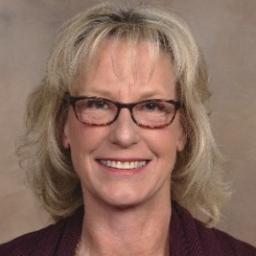
About Linda
Linda's background includes long experience in inpatient psychiatric units, recovery settings, mental health agencies, and wellness centers. That work exposed her to crisis care, addiction treatment, and trauma responses, and shaped a practical, hands-on approach to helping people stabilize during hard times.
In session she pays attention to how the body and nervous system hold stress. She uses breathing, mindfulness, and body-focused strategies alongside talk to help people feel calmer and more able to make changes. She also uses communication practices that help people speak more clearly and set boundaries with less conflict.
Her clinical methods include client-centered work, cognitive behavioral strategies, dialectical behavior ideas, emotionally-focused techniques, and existential questions about meaning and values. Linda combines these tools to match a person's needs rather than following one fixed method.
People who come to her often want concrete ways to change daily habits, manage difficult emotions, or recover from painful events. She aims to provide structure, accountability, and practical coaching so people can move toward greater stability and clearer choices.
Areas of expertise
Primary focus
Also works with
Additional focus areas
Therapeutic approaches
Experience
18+ years
Credentials
Florida, North Carolina
Languages
English
Therapeutic approaches and online options
Linda often uses client-centered therapy to keep sessions focused on the person's priorities and experience, helping people feel heard and understood while they set goals. Cognitive Behavioral Therapy, or CBT, appears in her work as a way to spot unhelpful thoughts and develop practical strategies to change daily habits and reactions.She also draws on Dialectical Behavior Therapy ideas when emotions feel overwhelming, teaching skills for distress tolerance, emotion regulation, and clearer communication. These approaches are useful for anxiety, mood shifts, relationship strain, and coping with stressful life changes.
Finding the right approach is collaborative. She will work with each person to try methods that fit their goals, preferences, and day-to-day life. That may mean emphasizing practical CBT tools one week and mindfulness or DBT skills the next, depending on what helps most.
If you are considering online therapy, confirm the current session formats before booking. Online work can make it easier to fit sessions into a busy schedule, allow shorter check-ins when needed, and remove travel time. Discuss format options during the matching and scheduling steps so sessions match your routine and needs.
Frequently asked questions
What concerns does she help with?
She works with people facing stress, anxiety, depression, trauma and addiction, plus issues like ADHD, grief, relationship and intimacy problems.
How would you describe her therapeutic style?
Her style blends straightforward talk with body-based calming methods, mindfulness, and communication skills. Sessions aim to change everyday thoughts and habits that keep problems going.
What is her professional background?
She has 18 years of clinical experience across inpatient psychiatric units, recovery facilities, mental health agencies, and wellness centers working with crisis and addiction care.
What credentials and where does she practice?
She holds the credential LCSW and practices in Florida as a Florida LCSW and a North Carolina LCSW.
Which languages are supported for sessions?
Sessions are offered in English.
Can people outside the United States work with her?
She does not accept international clients at this time.
How are fees and payment handled?
Cost varies by location and depends on the subscription model used; the subscription can be canceled at any time.
How do I begin working together?
Use the Start Therapy button, complete the short matching questionnaire, and schedule sessions according to the therapist's availability.