- Values-based work
- Skill building
- Goal focused
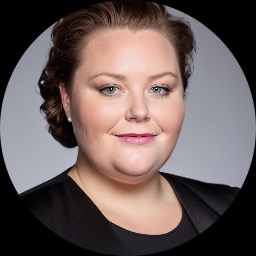
About Laura
Her style is collaborative and straightforward. She helps people notice unhelpful thoughts and everyday habits, then practices small changes that make daily life easier. Sessions are practical and paced to each person's needs. Laura listens for strengths and builds on them rather than starting from what is wrong.
Clients will find an emphasis on clear goals and usable tools. She draws on approaches that encourage values-based choices, skill building, and emotional connection. Therapy sessions often include skill practice, problem-solving, and talking through patterns that keep problems stuck.
Laura has experience with many related concerns such as attachment and abandonment issues, adoption and foster care questions, caregiver stress, chronic illness and pain, body image, and commitment challenges. She also works with people navigating kink and alternative sex culture and the specific pressures those can bring.
People interested in therapy with Laura are encouraged to think about what they want to change or understand better. The first session is used to map goals and plan next steps together. If you want help shifting thoughts and everyday habits, she focuses on practical steps you can use between sessions.
Areas of expertise
Primary focus
Also works with
Additional focus areas
Therapeutic approaches
Experience
4+ years
Credentials
Oregon
Languages
English
How therapeutic approaches work online
Acceptance and Commitment Therapy (ACT) focuses on clarifying personal values and taking small, meaningful steps toward them while learning to notice unhelpful thoughts. It can help with depression, anxiety, and decisions about priorities. Cognitive Behavioral Therapy (CBT) looks at the link between thoughts, feelings, and behaviors and teaches practical skills to change patterns that keep problems going. It is often used for mood, anxiety, and eating concerns. Emotionally-Focused Therapy (EFT) centers on emotions and attachment needs to improve closeness and trust in relationships, and it can help with intimacy-related worries and relationship distress.Choosing the right approach is part of the work. The therapist will collaborate with each person to decide which methods feel most useful based on goals, preferences, and day-to-day life. That choice can change over time as needs shift.
Confirm the current session options before booking so you know what formats are available. Online therapy can make it easier to fit sessions into busy schedules, reduce travel time, and allow check-ins during short breaks. It may also let people focus on skill practice and thought-work from a familiar setting. Discuss practical needs and scheduling when you set up the first appointment so sessions fit your routine.
Frequently asked questions
What concerns does Laura commonly address?
She helps people with relationship difficulties, trauma and abuse, intimacy-related issues, self-esteem, depression, eating concerns, bipolar, coping with life changes, and ADHD.
How would you describe her therapeutic style?
Her approach is collaborative and strengths-based, focusing on practical skills, noticing thought patterns, and changing everyday habits to fit personal values.
What is her background and experience?
She has four years of experience working in mental health and holds the credential LPC, which stands for Licensed Professional Counselor.
Where is she based and licensed?
She practices in Oregon and holds an LPC credential in that jurisdiction.
Which languages are supported for sessions?
Sessions are offered in English.
Can people outside the United States work with her?
She is not accepting international clients at this time.
How are session fees handled?
Cost varies with location and therapist availability, and sessions use a subscription that can be canceled at any time.
What are the first steps to begin therapy?
Start by selecting the Start Therapy button, complete a short matching questionnaire, and schedule sessions according to therapist availability.