- Thoughts and habits
- Values-focused work
- Skill building
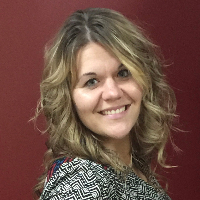
About Kerre
Kerre draws from eight years in the helping professions, including work in inpatient settings, schools, hospitals, and outpatient therapy. She holds a Master of Arts in Clinical Mental Health Counseling and a Certificate in Trauma Studies from Regent University, and a Master of Divinity from the same school.
In sessions she prioritizes a strong therapeutic relationship built on unconditional positive regard and trust. That means she listens closely, names client strengths, and helps people apply skills between meetings. She describes therapy as a partnership focused on small, manageable steps.
Her methods include client-centered work, cognitive behavioral techniques, attachment-focused ideas, acceptance and commitment strategies, and dialectical behavior tools. Kerre uses these approaches to address thoughts and everyday habits, coping skills, emotion regulation, and relationship patterns.
People who come to her can expect practical skill-building and values-focused work. She helps clients notice what gets in the way and practice alternatives. The aim is clearer direction, steadier emotions, and better day-to-day functioning.
Areas of expertise
Primary focus
Also works with
Additional focus areas
Therapeutic approaches
Experience
8+ years
Credentials
Michigan
Languages
English
How these approaches shape online therapy
Acceptance and Commitment Therapy (ACT) helps people notice painful thoughts and feelings without getting stuck in them, and then choose actions that match their values. It can be useful for anxiety, depression, and making behavior changes. Cognitive Behavioral Therapy (CBT) focuses on identifying unhelpful thought patterns and testing new behaviors to reduce distress and improve daily routines. It often helps with anxiety, sleep, eating issues, and mood. Attachment-Based ideas look at how early relationships influence current patterns and help people build safer ways of relating and noticing triggers in close relationships.Finding the right mix of approaches is part of the work. The therapist will collaborate with the client to pick methods that match their goals, needs, and preferences. That might mean trying an ACT exercise one week and practicing a CBT skill the next, then checking in about what felt most helpful.
Confirm current session options before booking so you know which online formats are offered. Online work can make it easier to fit therapy into a busy life, allow shorter check-ins when needed, remove travel time, and let people meet from different locations. Licensed professionals can adapt ACT and CBT tools for remote sessions to keep progress moving between appointments.
Frequently asked questions
What kinds of problems does she help with?
She works with stress, anxiety, depression, grief, self-esteem, addictions, trauma, and related concerns such as parenting, sleep and eating issues, bipolar symptoms, and ADHD.
How would you describe her therapeutic style?
Her style is collaborative and practical. She focuses on building trust, calling out strengths, and helping people practice skills between sessions.
What background and experience does she have?
Kerre has eight years in the helping professions, including inpatient care, school counseling, hospital crisis work, and outpatient individual therapy.
What credentials and location are listed?
She is a Licensed Professional Counselor - LPC - based in Michigan.
In which language are sessions offered?
Sessions are offered in English, and she accepts international clients.
What session formats are available?
Please confirm current session options before booking so you know which formats are offered for scheduling.
How does pricing work for sessions?
Cost varies with location and therapist availability; sessions use a subscription that can be canceled at any time.
How do I begin working with her?
Use the Start Therapy button, complete a short matching questionnaire, and schedule according to the therapist's availability.