- Attachment-focused
- Addiction support
- Couple work
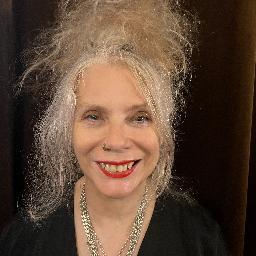
About Julia
Her approach blends relationship-focused work and trauma-aware methods. Sessions often look at attachment patterns and emotional responses that show up in daily life. She also uses EMDR for people who want to address distressing memories and their ongoing impact.
Julia has worked face-to-face and remotely, supporting people with addiction and problematic alcohol use as a particular focus. She also helps with stress, anxiety, depression, grief, intimacy concerns, eating and body-image issues, and difficulties around communication and commitment.
People who come to her can expect practical conversation and focused reflection on habits and thinking styles. She offers short-term and longer-term work depending on what someone needs and wants to change. Her practice aims to balance clarity about next steps with attention to emotions that can feel hard to name.
Julia is registered with BACP and NCPS, and she works from the United Kingdom. Sessions are delivered in English, and international clients may be supported where arrangements allow.
Areas of expertise
Primary focus
Also works with
Additional focus areas
Therapeutic approaches
Experience
5+ years
Credentials
BACP · United Kingdom, NCPS · United Kingdom
Languages
English
How relational and trauma approaches work online
Julia uses Attachment-Based approaches to look at how early and current relationship patterns affect everyday thinking and reactions. This work focuses on identifying feelings and interactions that repeat in close relationships to help people change unhelpful habits.Emotionally-Focused Therapy (EFT) is used to map the emotional experience that sits under conflict or distance in relationships. It helps people notice the feelings that drive behaviour and then practise different responses in session and in life.
Eye Movement Desensitization and Reprocessing (EMDR) can be offered to help people process distressing memories that still affect daily thoughts and routines. It aims to reduce the hold of those memories so habits and emotions can shift.
Choosing the right approach is a collaborative process. The therapist will talk through goals, preferences and practical needs and suggest which methods might help most. Clients are invited to give feedback so the plan can change as therapy progresses.
Please confirm the current session formats before booking, as options are arranged according to practical availability. Many people find online sessions easier to fit into their week, allow quicker check-ins between commitments, and make attending regular meetings simpler while still working directly on thoughts, habits and relationships.
Frequently asked questions
What kinds of issues does she help with?
She works with stress, anxiety, addiction and problematic alcohol use, depression, grief, intimacy and relationship concerns, eating and body-image issues, anger and coping with life changes.
What is her therapeutic style like?
She combines relationship-focused and trauma-aware approaches and pays attention to everyday thoughts and habits that keep problems going.
How much clinical experience does she have?
She has five years of practice and has completed over 1,000 hours of work with adults and couples across face-to-face and remote settings.
What professional registrations does she hold and where does she practise?
She is listed with BACP and NCPS and works from the United Kingdom.
Which languages are supported for sessions?
Sessions are offered in English.
Can she work with people outside the UK?
International clients are accepted, with arrangements made according to practical considerations and availability.
How are sessions arranged and what do they cost?
Cost varies with location and therapist availability; sessions use a subscription that can be cancelled at any time.
How do I begin therapy with her?
Choose the Start Therapy button, complete a short matching questionnaire, and then schedule sessions according to the therapist's availability.