- Thoughts and habits focus
- Values driven work
- Practical tools
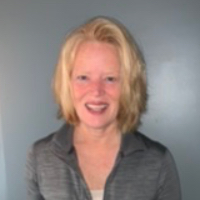
About Jerrilynn
She helps people unpack how past stress, trauma, and early messages from childhood shape current habits and pain. Sessions often look at unhelpful self-talk, shame cycles, and patterns like codependency and addiction. The goal is to move from reactive responses to clearer choices and greater stability.
Her background includes work with trauma, grief, anxiety, depression, substance use, and a broad range of relationship and identity concerns. She also supports people dealing with parenting strain, career stress, chronic health issues, and life transitions. She combines practical skills with opportunities to explore deeper meaning and values.
In sessions she encourages self-compassion, accountability, and small behavior changes that add up over time. She will help people set boundaries, practice conscious communication, and develop coping tools that fit daily life. Therapy aims to reduce suffering by changing thought patterns and everyday habits.
Clients who prefer a mix of skills training and reflective work may find her style a good fit. To begin, readers should use the therapist profile buttons to match, then schedule according to availability.
Areas of expertise
Primary focus
Also works with
Additional focus areas
Therapeutic approaches
Experience
10+ years
Credentials
New York, Florida
Languages
English
How specific approaches shape online work
Acceptance and Commitment Therapy (ACT) helps people notice private thoughts and feelings without letting them drive action, and then choose behaviors that match their values. This approach can help with anxiety, depression, and motivation by clarifying what matters and taking small steps toward it.Cognitive Behavioral Therapy (CBT) focuses on identifying unhelpful thoughts and testing them with practical experiments. CBT is useful for anxiety, mood concerns, and changing everyday habits that maintain distress.
Finding the right approach is part of the work together. The therapist will listen to a person's goals, symptoms, and preferences, and suggest which methods to try. Clients and therapist collaborate to adjust techniques if something does not feel helpful.
Confirm the current session options before booking since formats are not listed on the profile. Online sessions can make it easier to fit therapy into a busy life, reduce travel time, and allow shorter check-ins when needed. They also allow using in-session tools like worksheets, behavioral experiments, and values-based planning to practice new habits between meetings.
Frequently asked questions
What concerns does she help with?
She works with a wide range of concerns including trauma, addiction, anxiety, depression, grief, relationship and intimacy issues, parenting strain, ADHD, and stress related to career or caregiving.
How would you describe her therapeutic style?
Her style combines skill teaching with reflective conversation. She focuses on changing unhelpful thoughts and everyday habits while supporting self-understanding and self-compassion.
What is her professional background?
She has ten years of counseling experience and reports a long history of working with trauma, substance use, and complex emotional patterns.
What credentials and location are listed?
She is a Licensed Mental Health Counselor (LMHC) licensed in Florida and New York and practices from Florida.
Which languages are sessions offered in?
Sessions are offered in English.
Can people outside the U.S. work with her?
She does not accept international clients at this time.
How do fees and payment work?
Costs vary with location and therapist availability; sessions use a subscription that can be canceled at any time.
What should I do to start therapy?
Click the Start Therapy button, complete a short matching questionnaire, and schedule sessions according to the therapist's availability.