- Thought-focused work
- Skill building
- Empathic listening
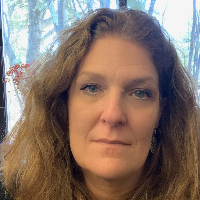
About Jennifer
She draws on approaches such as cognitive behavioral techniques, dialectical behavior strategies, mindfulness work, and solution-focused thinking to support practical change. In sessions she helps people notice unhelpful thoughts, test new behaviors, and practice skills that reduce distress. She also addresses issues like sleep, substance use, relationship stress, parenting strain, grief, and identity concerns.
Jennifer trained in mental health counseling at The Sage Colleges and holds a New York Licensed Mental Health Counselor credential. She has nine years of experience working in clinical settings and with private patients. That experience informs how she structures sessions and sets realistic steps toward client goals.
Her style is direct but compassionate. Sessions tend to focus on clear goals and small, doable changes that fit daily life. People who want practical tools for coping and clearer thinking often find this approach helpful.
To get started, clients are invited to describe what they want to change and the therapist will help shape a plan that matches those priorities and life demands.
Areas of expertise
Primary focus
Also works with
Additional focus areas
Therapeutic approaches
Experience
9+ years
Credentials
New York
Languages
English
Practical approaches for online therapy and thought work
Jennifer often uses client-centered ways of working and cognitive behavioral techniques in sessions. Client-centered work focuses on listening carefully and following the client's lead so the person feels heard and can explore concerns at their own pace. Cognitive Behavioral Therapy (CBT) looks at thoughts and habits that keep problems going and teaches ways to test and change them to feel better.Dialectical Behavior Therapy (DBT) skills are also part of the toolkit and are useful for managing strong emotions and improving coping. DBT offers short, teachable skills for handling intense feelings, reducing impulsive reactions, and improving relationships. Together these approaches give concrete strategies and a supportive stance to try new things between sessions.
Finding the right approach is a collaborative process. The therapist will talk with each person about goals, daily routines, and what feels doable. From there she suggests techniques to try and adapts them as progress is made.
Session formats are not specified here, so please confirm the current online session options before booking. Online work can make it easier to fit sessions into a busy schedule, allow shorter check-ins when needed, and remove travel time so people can practice skills during ordinary days.
Frequently asked questions
What concerns does this therapist address?
She helps with stress, anxiety, depression, relationship and family worries, grief, addiction concerns, sleep troubles, self-esteem, career issues, ADHD, bipolar mood concerns, and related struggles.
How would you describe her therapeutic style?
Her style is empathic and goal-oriented, with an emphasis on trust and clear, practical steps for change.
What experience does she bring?
She has nine years of experience working in clinical settings and with private patients, including running groups for adolescents in past roles.
What credentials and location are listed?
She holds a New York Licensed Mental Health Counselor credential (LMHC) and practices from New York.
Which languages are supported for sessions?
Sessions are offered in English.
Are international clients accepted?
International clients are not currently accepted.
How is cost handled for sessions?
Cost varies with location and therapist availability; sessions use a subscription that can be canceled at any time.
What is the first step to begin working together?
Click the Start Therapy button, complete a short matching questionnaire, and schedule according to the therapist's availability.