- Focus on coping skills
- Evidence-based tools
- Calm collaborative pace
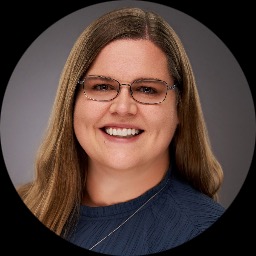
About Jacqueline
She uses evidence-based therapeutic techniques and keeps sessions grounded and straightforward. Jacqueline asks about what a typical day looks like, notices how thoughts and routines shape feelings, and helps people try small changes that can add up over time. The work is collaborative and paced to each person's needs.
Her approach centers on respecting each person's life story and strengths. She helps people build coping skills for specific problems like panic, intrusive memories, or the shock of loss. Jacqueline also addresses concerns such as self-esteem, body image, and relationship patterns that come from family of origin issues.
She brings five years of clinical experience to sessions and works with issues across the lifespan, including aging and hospice-related concerns. Jacqueline also supports people dealing with guilt, shame, identity questions such as gender dysphoria, and challenges related to intellectual disability or isolation.
Language of service is English and care is offered from Wisconsin. People who want to try therapy with her can expect direct, compassionate guidance that focuses on clear, doable steps for changing thoughts and everyday habits.
Areas of expertise
Additional focus areas
Experience
5+ years
Credentials
Wisconsin
Languages
English
Approaches that target thoughts and daily routines
Jacqueline uses evidence-based therapeutic techniques that help people change unhelpful thinking and daily habits. One common approach focuses on identifying and testing automatic thoughts so people can respond differently to stress and anxiety; it helps with worry, low mood, and self-criticism. Another approach emphasizes building small, repeatable skills such as grounding, pacing, and behavioral experiments to reduce avoidance and improve coping after trauma or loss.Finding which approach fits best is part of the work together. The therapist will ask about goals, day-to-day routines, and what has or hasn't helped before, then try methods that match those needs. Clients and the therapist decide collaboratively and adjust the plan as progress and preferences become clear.
The biography does not list specific online session formats, so confirm current options before booking. Online sessions can make it easier to fit therapy into a busy week, shorten travel time, and allow for quicker check-ins when needed. Licensed professionals commonly use remote work to offer consistent care that fits into everyday life without requiring large schedule changes.
Frequently asked questions
What kinds of concerns does she address?
She works with stress, anxiety, trauma and abuse, grief, and self-esteem challenges, plus related areas like body image, communication problems, and obsessive-compulsive concerns.
What is her therapeutic style like?
Sessions are practical and collaborative, focusing on thoughts and everyday habits with straightforward, evidence-based techniques to build coping skills.
How much clinical experience does she have?
She has five years of experience working as a clinician with people facing a range of emotional and life transition challenges.
What credentials and location are listed?
She holds the LPC credential and practices in Wisconsin.
In which language are sessions offered?
Sessions are offered in English and international clients are not currently accepted.
What session formats are available?
The original biography does not list specific session formats; please confirm current session options before booking.
How is cost structured?
Cost varies with location and therapist availability; sessions use a subscription that can be canceled at any time.
What are the steps to begin working together?
Use the Start Therapy button, complete a short matching questionnaire, and schedule sessions according to the therapist's availability.