- Thoughts and everyday habits
- Client-centered care
- Practical goal setting
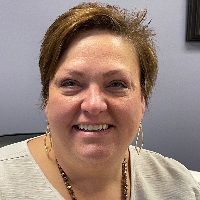
About Hope
She bases work on listening closely and matching practical approaches to each person's needs. Hope uses Client-Centered methods to follow the client's lead and Cognitive Behavioral Therapy to look at unhelpful thoughts and habits. She also draws on Solution-Focused Therapy to set small goals and look for workable changes.
Hope brings 22 years of counseling experience and describes herself as caring, sensitive, and energetic. That background includes both professional training and life experience she says helps her connect with people. She keeps sessions direct and often a little light when appropriate.
In sessions she helps people with a wide range of concerns such as depression, grief, anger, ADHD, trauma and abuse, intimacy-related issues, eating and self-esteem struggles, and coping with life changes. She also supports people managing career stress, bipolar mood challenges, and family-related problems.
Hope works with additional focus areas that include adoption and foster care, aging and geriatric issues, attachment concerns, autism and Asperger syndrome, blended family issues, caregiver stress, and family of origin matters. She aims to tailor tools and goals to each person’s situation and pace.
Areas of expertise
Primary focus
Also works with
Additional focus areas
Therapeutic approaches
Experience
22+ years
Credentials
Mississippi
Languages
English
How Hope’s approaches translate to online work
Client-Centered Therapy puts the person’s experience first and focuses on listening, understanding, and responding to what matters most to the client. It is useful for building trust and exploring feelings related to relationships, family stress, or identity issues.Cognitive Behavioral Therapy (CBT) looks at patterns of thought and everyday habits that keep problems going. CBT offers simple exercises to try between sessions, which can help with anxiety, depression, ADHD-related routines, and mood shifts.
Hope approaches therapy as a collaborative process. She will work with each person to choose which approach fits their goals and preferences, and will adjust methods as progress is made. That means trying different tools and checking in about what helps.
If you want online sessions, confirm the exact session formats before booking since formats are not specified here. Online work can make it easier to fit therapy into a busy life, allow shorter check-ins when needed, and reduce travel time so people can schedule around work or caregiving. Licensed professionals can also use focused exercises and between-session tasks to keep momentum between appointments.
Frequently asked questions
What issues does Hope commonly address?
She helps people with stress, anxiety, depression, grief, anger, ADHD, relationship and intimacy concerns, eating and self-esteem struggles, bipolar and coping with life changes.
How would you describe her therapeutic style?
Hope emphasizes a strong rapport and listens closely, using client-centered conversations combined with practical techniques from CBT and solution-focused approaches.
What kind of experience does she have?
She has 22 years of counseling experience and draws on both professional background and life experience in her work.
What are Hope's credentials and location?
She is a Licensed Professional Counselor with an MS LPC credential and practices in Mississippi.
Are sessions available in other languages or internationally?
Sessions are offered in English and she is not currently accepting international clients.
What session formats are offered?
Current session formats are not specified here; please confirm the available options before booking.
How is cost handled for sessions?
Cost varies with location and therapist availability; sessions use a subscription that can be canceled at any time.
How do I begin working with her?
Click the Start Therapy button, complete a short matching questionnaire, and schedule according to the therapist's availability.