- Thoughts and everyday habits
- Practical coping strategies
- Working through addiction
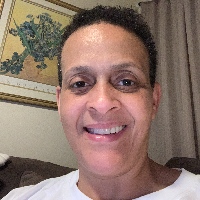
About Eugenia
She keeps sessions straightforward and practical. She listens first, then helps people see their situation from different angles. Her style emphasizes collaboration so clients can build their own coping skills and choices rather than receiving quick answers.
Her background includes work with people facing chronic mental health concerns, substance use, mood conditions, and personality issues. That experience has included settings from foster care to correctional facilities, and spans a wide adult age range.
Eugenia uses a mix of well-known approaches to fit each person’s needs. She draws on client-centered methods to follow the client’s lead, cognitive behavioral techniques to address unhelpful thoughts and habits, and emotionally-focused ideas to improve close relationships.
People who contact her can expect clear, direct conversation about goals and practical next steps. She helps people develop everyday habits and thought patterns that reduce stress and improve daily functioning. Sessions aim to make progress understandable and manageable over time.
Areas of expertise
Primary focus
Also works with
Additional focus areas
Therapeutic approaches
Experience
22+ years
Credentials
North Carolina
Languages
English
How her approaches translate to online work
Client-Centered Therapy focuses on the person’s experience and priorities. The therapist listens closely and follows what matters most to the client, helping people set goals that feel relevant to daily life. Cognitive Behavioral Therapy, or CBT, looks at the link between thoughts, feelings, and behavior and teaches practical techniques to change unhelpful patterns. This can help with anxiety, depression, and habit change. Emotionally-Focused Therapy concentrates on feelings in close relationships and helps people name emotions and respond differently in key interactions.Finding the right approach is part of the work together. The therapist will talk with each person about goals, preferences, and what feels most useful. Decisions about methods are collaborative and may shift over time as needs change.
The biography does not list specific online session formats, so confirm available options before booking. Online therapy can make it easier to fit appointments into a busy week, reduce travel time, or allow shorter check-ins when schedules are tight. It also lets people use techniques like CBT worksheets or mindfulness exercises during sessions in real time. Licensed professionals adapt these approaches to help clients build everyday habits and thought patterns that support long-term coping.
Frequently asked questions
What concerns does Eugenia commonly help with?
She works with stress, anxiety, depression, addictions, trauma, grief, relationship and intimacy issues, parenting challenges, ADHD, and a range of related concerns.
What is her general approach in sessions?
She uses a collaborative, straightforward style that helps people notice unhelpful thoughts and build healthier habits. Sessions focus on practical steps and new perspectives rather than quick fixes.
How long has she been practicing?
She has over 22 years of experience working in mental health and with substance use populations.
What credentials and location are listed?
She holds the LCMHC credential and practices in North Carolina.
Which languages are available for sessions?
Sessions are offered in English and she does accept international clients.
What session formats can I expect?
The original biography does not specify session formats; please confirm current session options before booking.
How are costs handled for sessions?
Cost varies with location and therapist availability; sessions use a subscription that can be canceled at any time.
How do I begin working with her?
Use the Start Therapy button, complete a short matching questionnaire, and schedule according to therapist availability.