- Thoughts and everyday habits
- Emotion-focused care
- Culturally aware practice
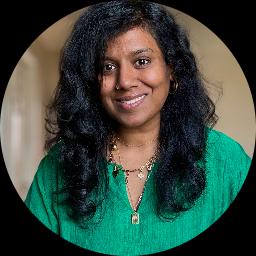
About Dilshini
Dilshini trained in music and psychology before completing an MSc in Psychology and Neuroscience at King’s College London. She went on to train as a psychotherapeutic counsellor at the Metanoia Institute and is currently working towards a Doctorate in Counselling Psychology and Psychotherapy. Her background means she blends clinical knowledge with an interest in creativity and expression.
In sessions she draws on Client-Centred Therapy and Emotionally-Focused Therapy to focus on feelings and relationships. Conversations are collaborative - the person sets the pace and the therapist follows, reflecting what matters and helping people try new ways of responding. This can be useful for attachment concerns, communication problems, and issues linked to abandonment or commitment.
Dilshini also works with people affected by trauma, chronic illness or caregiving stress, and with body image, neurodiversity, and aspects of alternative sexual culture such as BDSM and kink. She pays attention to how cultural background shapes experience and the stigma some people face when seeking help.
Her style is respectful and down-to-earth. She supports clients to notice patterns, practise small changes, and build more helpful ways of thinking and acting. If someone is ready to begin, she encourages them to take the next step and arrange an initial conversation.
Areas of expertise
Additional focus areas
Therapeutic approaches
Experience
6+ years
Credentials
BACP · United Kingdom
Languages
English
How these therapy approaches translate to online support
Client-Centred Therapy focuses on listening closely and reflecting what matters to the person. It helps people feel understood and explore their thoughts and everyday habits in a gentle way. Emotionally-Focused Therapy (EFT) concentrates on emotions and how they shape relationships and self-view, which can help with attachment, abandonment concerns and communication problems.Finding the right approach is part of the work. The therapist will discuss goals and preferences and together they will decide which methods to use. This is a collaborative process that can be adjusted as therapy progresses so sessions stay relevant to the person's needs.
Online therapy can make fitting support into daily life easier, for example by reducing travel time and allowing sessions at times that suit work or caregiving commitments. If you want to know which session formats are available, please confirm the current options before booking as formats were not specified in the biography. Registered or accredited professionals aim to help clients develop useful routines, practice new responses to difficult thoughts, and build better patterns in everyday life.
Frequently asked questions
What kinds of concerns can be brought to sessions?
Common areas include stress, anxiety, depression, grief and self-esteem. She also supports people with trauma, relationship and attachment issues and worries around body image, chronic illness, caregiving and aspects of alternative sexual culture.
How would you describe the therapy style?
The approach is warm and collaborative, drawing on Client-Centred Therapy and Emotionally-Focused Therapy. Sessions focus on feelings, relationship patterns and the everyday thoughts and habits that shape experience.
What experience does the therapist have?
She has six years of experience working with adults on a range of life challenges. Her background combines psychology, creative practice and psychotherapeutic training.
Where is the therapist based and what credentials are held?
She practises in the United Kingdom and holds BACP accreditation as supplied in her profile.
Which languages are supported in therapy sessions?
Sessions are offered in English.
Can international clients be seen for therapy?
International clients are not currently accepted.
How are sessions paid for and what do they cost?
Cost varies with location and therapist availability; sessions use a subscription that can be cancelled at any time.
How do I begin if I want to work together?
Start by selecting the Start Therapy button and completing a short matching questionnaire. You can then schedule sessions according to the therapist's availability.