- Grief and loss
- Thoughts and habits
- Skills for coping
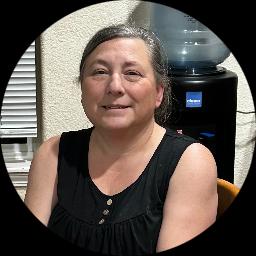
About Crystal
She brings a long history of working with loss and end-of-life concerns, including hospice and grief after illness. Crystal also helps with issues such as attachment and abandonment, family of origin struggles, caregiver stress, chronic illness, and the emotional impact of trauma and domestic violence. Her practice addresses both immediate needs and longer-term patterns that keep people stuck.
Crystal uses evidence-based therapeutic techniques, blending approaches to fit each person. She emphasizes concrete skills for managing intense emotions, building resilience, and changing unhelpful thought and behavior patterns. Sessions include practicing tools together and reviewing how they land in everyday life.
People who want a steady, experienced clinician will find her approach direct and compassionate. She frames goals in simple, measurable ways so progress is visible. Crystal works from Colorado and offers services in English.
To begin, clients use the site Start Therapy button, complete a short matching questionnaire, and schedule according to therapist availability. The subscription for sessions can be canceled at any time, and cost varies with location and therapist availability.
Areas of expertise
Additional focus areas
Experience
30+ years
Credentials
Colorado
Languages
English
Approaches that address thoughts, habits, and loss
Crystal blends Cognitive Behavioral Therapy and Dialectical Behavior Therapy into focused work on thoughts and everyday habits. CBT looks at the links between thoughts, feelings, and behaviors and teaches practical steps to change patterns that cause distress. DBT adds emotion regulation and mindfulness strategies that help when feelings become overwhelming or when coping skills need strengthening.She also uses experiential techniques that invite active practice rather than only talking. These exercises help people try new ways of relating to themselves and others, which can be useful for grief, attachment concerns, and chronic stress. Choosing the right mix of methods is collaborative; the therapist and client explore goals and try approaches that fit the person’s needs and preferences.
The biography does not list which session formats are offered, so confirm current options before booking. Online therapy can make it easier to fit sessions into a busy life, shorten travel time, and allow shorter check-ins when needed. Many people find working with licensed professionals remotely helps keep momentum between appointments and makes regular practice of new skills more achievable.
Frequently asked questions
What concerns does she address?
She helps people with stress, anxiety, trauma and abuse, grief, self esteem, and depression, plus related areas like caregiver stress and chronic illness.
What is her therapeutic style?
Her style mixes practical, evidence-based techniques with experiential work so clients practice skills during and between sessions.
How long has she practiced?
She has been practicing for 30 years, focusing much of her work on grief, loss, and related challenges.
What credentials and location are listed?
She is a Licensed Clinical Social Worker - LCSW - based in Colorado.
In what language are sessions offered?
Sessions are offered in English and she does not accept international clients at this time.
What session formats are available?
The original biography does not specify session formats; please confirm current session options before booking.
How are sessions priced?
Cost varies with location and therapist availability; sessions use a subscription that can be canceled at any time.
What are the first steps to begin?
Use the Start Therapy button, complete a short matching questionnaire, and schedule according to therapist availability.