- Thoughts and habits
- Trauma and mood
- Identity and intimacy
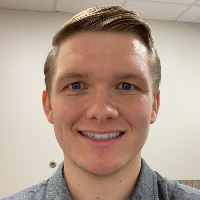
About Christopher
He earned his degree from the University of South Carolina in 2016 and has worked across several clinical settings. That varied experience includes coordinating an intensive community mental health program that serves people with severe and persistent mental illness. He draws on that background when supporting people through big life changes and complex symptoms.
Christopher adapts his work to each person. Sessions center on where someone is now and what they want to change. He uses interactive conversations to build a collaborative relationship and to identify small, practical steps that make daily life easier.
Common topics he addresses include self-esteem, body image, excessive social media use, coping with grief, and high-stress work environments. He also supports people navigating attachment concerns, adoption and foster care experiences, and intimacy-related issues.
Christopher blends approaches such as cognitive behavioral ideas, mindfulness, and acceptance-focused strategies with client-centered techniques. He encourages personal freedom and practical tools people can use between sessions. His goal is to help clients feel more empowered and steady as they face life transitions and ongoing challenges.
Areas of expertise
Primary focus
Also works with
Additional focus areas
Therapeutic approaches
Experience
5+ years
Credentials
South Carolina
Languages
English
How therapeutic approaches translate to online care
Acceptance and Commitment Therapy (ACT) helps people notice their thoughts and choose actions that match their values rather than getting stuck on unhelpful thinking. It can be useful for anxiety, depression, and life transitions by focusing on small, values-driven steps. Cognitive Behavioral Therapy (CBT) focuses on identifying thought and behavior patterns that keep problems going and testing new, practical strategies to change them; it often helps with anxiety, stress, and mood concerns. Client-Centered Therapy prioritizes the person in the room by listening closely, reflecting feelings, and helping people find their own solutions; this approach supports work on identity, relationships, and self-esteem.Finding the right approach is part of the process. Christopher works collaboratively to figure out which methods fit a person's goals and preferences. He often blends elements from different approaches so sessions match what a person needs that week.
Confirm the available session formats before booking, since the biography does not list specific options. Online therapy can make it easier to fit sessions into a busy life by reducing travel time, allowing shorter check-ins when schedules are tight, or avoiding the need to be on camera for people who prefer audio. Licensed professionals can adapt exercises, mindfulness practices, and cognitive techniques to remote sessions so tools learned in therapy can be used in everyday routines.
Frequently asked questions
What concerns does this therapist address?
He works with a wide range of issues including stress, anxiety, depression, trauma and abuse, bipolar concerns, relationship and family matters, grief, intimacy-related issues, self-esteem, career changes, and ADHD.
What is his therapeutic style like?
He uses an interactive, client-centered approach that focuses on where a person is now and what they want to change. Sessions tend to emphasize collaboration and practical steps to apply between meetings.
What kind of experience does he bring?
He has five years of clinical experience and has worked in multiple settings, including coordinating an intensive community mental health clinic serving people with severe and persistent mental illness.
Where is he licensed and based?
He is a Licensed Independent Social Worker (LISW) in South Carolina and practices from that state.
Which languages are sessions offered in?
Sessions are offered in English. He also accepts international clients.
What session formats are available?
Please confirm current session options before booking, as the biography does not specify particular formats. Ask during sign-up which formats are supported.
How are session costs handled?
Cost varies with location and therapist availability, and sessions use a subscription that can be canceled at any time.
How do I begin working with him?
Use the Start Therapy button, complete a short matching questionnaire, and schedule according to therapist availability.