- Thoughts and habits
- Trauma and abuse
- Grief and loss
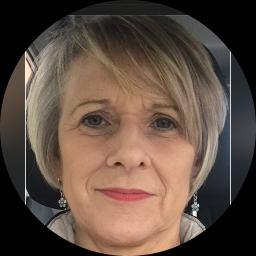
About Christine
She focuses on trauma and the emotional difficulties that follow. Much of her practice has been with survivors, and she also helps people dealing with grief, relationship strain, anger, low self-esteem and career uncertainty. Additional areas include postpartum depression, compassion fatigue, and challenges linked to prejudice and discrimination.
Christine blends Client-Centred Therapy with Cognitive Behavioral Therapy and trauma-informed ways of working. That mixture lets her focus on present-day thoughts and everyday habits while also attending to how past events affect feelings and behaviour. Sessions emphasise practical steps and small changes a person can try between meetings.
Her background includes group work with adult survivors alongside one-to-one counselling. She has undertaken trainings that explore mind and body responses to distress, which inform how she looks at symptoms such as anxiety, flashbacks or low mood. Christine aims to tailor approaches rather than use a single method for everyone.
Sessions are offered in English and are run from the United Kingdom. The therapist holds BACP registration and works with people to identify realistic goals, cope with change and build kinder self-talk. If a reader wishes to proceed, they can use the site process to start the match and schedule a first appointment.
Areas of expertise
Primary focus
Also works with
Additional focus areas
Therapeutic approaches
Experience
13+ years
Credentials
BACP · United Kingdom
Languages
English
Approaches that guide online work
Christine draws on Client-Centred Therapy and Trauma-Focused Therapy to shape online sessions. Client-Centred Therapy emphasises a respectful, listening approach where the person’s pace and priorities lead the work and it helps when people need a steady, non-judgemental space. Trauma-Focused Therapy looks directly at the effects of traumatic events and supports practical ways to reduce overwhelming reactions and improve daily functioning.Finding the right approach is treated as a collaborative process. The therapist will talk with a person about their needs, goals and preferences and adapt methods as they go. That means approaches can be combined or shifted over time to focus more on thoughts and everyday habits or on processing past events, depending on what helps most.
Practical benefits of online work include fitting sessions around daily routines and reducing travel time so appointments can be easier to attend. Online sessions can suit quieter check-ins, workday breaks or people who prefer not to commute. Please confirm the specific session formats offered with the therapist before booking, as options are set by the practitioner and may vary.
Frequently asked questions
What concerns does Christine commonly help with?
She regularly supports people facing trauma and abuse, depression, grief and relationship difficulties. Her practice also covers low self-esteem, anger, career changes and caregiver stress.
What is her therapeutic style like?
Christine uses a person-centred foundation and adapts it with cognitive and trauma-focused techniques. She focuses on thoughts and everyday habits alongside understanding emotional responses.
How long has she been practising?
She has 13 years of experience working with adult survivors and a broad range of individual clients.
What qualifications and location are listed?
She is registered with the British Association for Counselling and Psychotherapy (BACP) and practises in the United Kingdom.
Which languages are sessions offered in?
Sessions are offered in English.
Does she work with international clients?
International clients are not currently accepted.
How are costs and billing handled?
Cost varies with location and therapist availability; sessions use a subscription model that can be cancelled at any time.
What are the steps to begin therapy?
Use the Start Therapy button, complete a short matching questionnaire, and then schedule according to the therapist's availability.