- Thoughts and habits
- Strengths focused
- Practical strategies
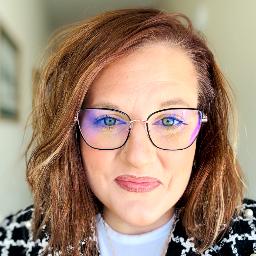
About Caitlin
Areas of expertise
Primary focus
Also works with
Additional focus areas
Experience
14+ years
Credentials
Virginia
Languages
English
Approaches that address thoughts and everyday habits
Many effective approaches focus on changing unhelpful thinking patterns and building practical habits. One common method helps people notice and challenge automatic negative thoughts, then practice more balanced ways of thinking to reduce anxiety and low mood. This can be useful for stress, worry, concentration problems, and low self-esteem. Another approach emphasizes small behavior changes and routine building. It breaks larger goals into manageable steps, adds structure to daily life, and uses simple habit experiments to improve focus, motivation, and sleep. This tends to help people who struggle with motivation, ADHD-related focus, or coping with life transitions. Finding the right combination of techniques is part of the work. The therapist will collaborate with each person to choose approaches that match their goals, lifestyle, and preferences. Plans are adjusted based on what helps most in real life. Because the original biography does not specify session formats, confirm current online options before booking. Many people find online work helpful for fitting sessions into busy days, keeping progress between appointments, and being able to meet with a licensed professional from different locations. Practical benefits can include shorter check-ins when needed, easier scheduling around work or caregiving, and using exercises between sessions to build new habits.Frequently asked questions
What kinds of concerns does Caitlin help with?
Caitlin works with stress, anxiety, anger, low self-esteem, coping with life changes, ADHD-related focus issues, addictions, grief, parenting strains, relationship and family problems, trauma and abuse, and depression.
What is her general therapeutic style?
Her style is collaborative and practical. Sessions typically involve talking through current problems, trying small changes in thinking or habits, and reviewing what helps in everyday life.
How much experience does she have?
She has 14 years of professional work experience supporting people with a range of emotional and behavioral concerns.
What credentials and region apply to her practice?
She holds the credential LCSW, which denotes Licensed Clinical Social Worker, and she is licensed in Virginia.
Can I work with her if I live outside the United States?
Sessions are offered to international clients as well as people in the U.S. Sessions are conducted in English.
What session formats are available?
The original biography does not list specific session formats. Confirm current session options with the service before booking to know how sessions are offered.
How does billing or cost work?
Cost varies with location and therapist availability; sessions use a subscription that can be canceled at any time.
How do I begin working with her?
Select the Start Therapy button, complete a short matching questionnaire, and schedule sessions according to therapist availability.