- Thoughts and habits
- Grief and loss
- Stress and anxiety
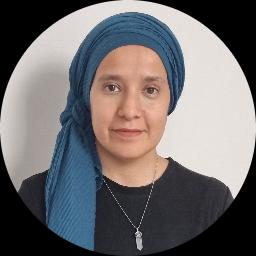
About Bushra
She focuses on thoughts and everyday habits to help people notice patterns that get in the way. Sessions are practical and conversational. Bushra adapts her approach so it fits each person's culture and beliefs. She aims to make the first steps feel manageable for someone who is unsure where to begin.
Her way of working blends several approaches, including cognitive behavioural methods and acceptance-based ideas, alongside attachment-focused and client-centred practice. That mix is used to help people understand unhelpful thinking, build coping routines, and explore how past relationships shape present choices.
Bushra has experience supporting people affected by domestic violence, complex grief, and cultural challenges. She also works with issues such as addiction, eating and body image concerns, chronic illness, and anger. Conversations often cover practical coping, communication, and planning for change.
As a British Association for Counselling and Psychotherapy registrant, Bushra explains her training and role in everyday terms and tailors sessions to individual needs. To begin, she asks people to describe what matters most and then plans sessions around those goals.
Areas of expertise
Primary focus
Also works with
Additional focus areas
Therapeutic approaches
Experience
7+ years
Credentials
BACP · United Kingdom
Languages
English, Urdu
How therapeutic approaches guide online work
Acceptance and Commitment Therapy (ACT) helps people notice difficult thoughts and then focus on chosen values. It is often used when someone wants to live a meaningful life despite painful feelings. Cognitive Behavioural Therapy (CBT) looks at the links between thoughts, feelings and actions and teaches practical techniques to change unhelpful patterns. Attachment-Based Therapy explores how early relationships influence current connections and communication styles, which can help with trust and intimacy issues.Finding the right approach is part of the process. The therapist will work together with the person to choose methods that match their goals, needs and preferences. That collaborative planning means the approach can change as therapy progresses and new priorities emerge.
Confirm session formats before booking, as options are not specified here. Online work can make it easier to fit therapy into a busy life, for example by removing travel time, allowing shorter check-ins around work breaks, or giving people a choice about using video or audio. These practical benefits help counselling slot into everyday routines while keeping the focus on making steady, manageable progress.
Frequently asked questions
What concerns does Bushra help with?
She works with grief, bereavement and life changes and also supports people facing anxiety, stress, relationships, parenting and self-esteem issues.
How would she describe her therapeutic style?
Her style is conversational and practical, focusing on thoughts and everyday habits to help people make small, usable changes in daily life.
What kind of experience does she bring?
She has seven years of professional experience working with people from diverse cultural and religious backgrounds, including those affected by domestic violence and complex grief.
Which professional credentials and country are listed?
She is registered with the BACP, the British Association for Counselling and Psychotherapy, and practices in the United Kingdom.
Are sessions available in other languages?
Sessions are offered in English and Urdu.
Can people outside the UK work with her?
She accepts international clients; check practical arrangements before scheduling if you are based outside the UK.
How are payments and costs handled?
Costs vary with location and therapist availability; sessions use a subscription that can be cancelled at any time.
What is the first step to start therapy?
Click the Start Therapy button, complete a short matching questionnaire, and then schedule sessions according to the therapist's availability.