- Thoughts and habits
- Collaborative approach
- Skill building
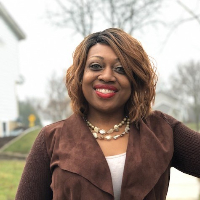
About Bonneka
Her style is collaborative and straightforward. She listens first, then helps clients set practical goals and build new routines. Sessions often include learning simple skills to manage strong emotions, noticing unhelpful thinking patterns, and practicing small changes that add up.
Bonneka uses a mix of approaches to match each person’s needs rather than a one-size-fits-all plan. She draws on Cognitive Behavioral Therapy to address thinking and behavior, Acceptance and Commitment Therapy to clarify values and action, and Client-Centered methods to keep the work focused on what matters to the individual.
She has worked with people dealing with grief, parenting stress, career transitions, sleep problems, anger, and issues around identity and intimacy. Her experience includes supporting survivors of abuse and helping people navigate substance use and recovery challenges. The emphasis is on helping whole-person change instead of labeling problems.
If you want to begin, she asks clients to identify clear, manageable steps they can try between sessions. That practical focus helps people test new habits and notice progress, even when change feels slow.
Areas of expertise
Primary focus
Also works with
Additional focus areas
Therapeutic approaches
Experience
10+ years
Credentials
Wisconsin
Languages
English
How therapeutic approaches translate to online work
Bonneka draws on Cognitive Behavioral Therapy and Acceptance and Commitment Therapy in session. Cognitive Behavioral Therapy focuses on identifying unhelpful thoughts and testing small behavior changes to reduce distress. It is useful for anxiety, depression, sleep problems, and habits that interfere with daily life. Acceptance and Commitment Therapy encourages noticing thoughts without fighting them and choosing actions that match personal values, which can help with motivation, substance use, and coping with change.Finding the right approach is part of the process. She will work collaboratively to figure out which methods fit a person’s needs and goals. Sessions often mix elements from different approaches so the plan matches what the client wants to accomplish.
The practical benefits of online therapy can include easier scheduling, fewer commute hassles, and fitting sessions into a busy week. If you are interested in remote sessions, confirm the current session options before booking so you know what formats are available. Online work can make it simpler to practice skills between appointments and to check in during life transitions without rearranging your whole day.
Frequently asked questions
What concerns does Bonneka commonly address?
She works with adults on stress, anxiety, depression, trauma and abuse, addictions, relationship and family issues, grief, parenting strain, sleep problems, anger, bipolar concerns, and coping with life changes.
How would you describe her therapeutic style?
Her style is collaborative and practical. She listens first, then helps clients set goals and practice new thinking and behavior patterns between sessions.
What experience does she bring to sessions?
She has ten years of clinical experience working with adults on a wide range of issues including substance use, trauma, and mood concerns.
What are her credentials and location?
She holds the Licensed Professional Counselor credential (LPC) and practices in Wisconsin.
Are sessions offered in languages other than English?
Sessions are offered in English.
Can people outside the United States work with her?
She does not accept international clients at this time.
How much do sessions cost and how are they billed?
Cost varies with location and therapist availability; sessions use a subscription that can be canceled at any time.
What are the first steps to begin working together?
To start, select the Start Therapy button, complete a short matching questionnaire, and schedule appointments according to therapist availability.