- Thoughts and habits
- Addiction support
- Bilingual English Spanish
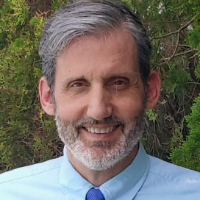
About Benjamin
He helps people manage stress, anxiety, depression, and addictions by looking at thought patterns and coping habits. He often works with issues related to relationships, intimacy, grief, and life changes. Ben also supports people navigating identity and body image concerns, gender dysphoria, and HIV/AIDS related matters.
His sessions combine regular talking therapy with occasional light hypnotherapy when both agree it may help. He draws from approaches such as client-centered work, cognitive behavioral ideas, emotionally-focused techniques, existential perspectives, and hypnotherapy to tailor an individualized plan. Ben also uses SMART Recovery methods alongside familiarity with 12-Step programs for addiction and compulsive behaviors.
He pays attention to how people think, what they say to themselves, and how their bodies signal stress or avoidance. This helps identify coping patterns that once helped but now get in the way. Ben aims to help clients become more present to themselves so they can move forward from avoidance and toward recovery.
Ben’s theological background spans multiple traditions, and he respects each person's spiritual or nonreligious path. To begin, clients complete a short matching questionnaire and schedule according to his availability.
Areas of expertise
Primary focus
Also works with
Additional focus areas
Therapeutic approaches
Experience
14+ years
Credentials
Florida, District of Columbia
Languages
English, Spanish
Online approaches that focus on thoughts and habits
Client-centered therapy emphasizes the client's perspective and trust in their own ability to change. It involves reflective listening, gentle guidance, and tailoring sessions to what matters most to the person seeking help. This approach is useful for building self-understanding and strengthening motivation to change.Cognitive Behavioral Therapy, or CBT, looks at the link between thoughts, habits, and emotions. It helps identify unhelpful thinking patterns and replace them with more helpful responses, which can reduce anxiety, depression, and problematic behaviors. Emotionally-Focused Therapy focuses on patterns in relationships and helps people notice and shift emotional responses that keep problems stuck.
Finding the right approach is a collaborative process. The therapist will discuss goals, try different techniques, and adapt the plan based on what the client says works for them. Clients and the therapist decide together whether occasional light hypnotherapy might be a useful supplement.
If you prefer online sessions, confirm the current session options before booking. The therapist notes scheduling is handled through the platform and sessions are arranged to fit into everyday life. Online work can make it easier to schedule appointments around work, allow for shorter check-ins when needed, or remove travel time so therapy is easier to keep up with.
Frequently asked questions
What kinds of concerns does he address?
He works with stress, anxiety, depression, addictions, relationship and intimacy challenges, trauma and grief, ADHD, and related issues like body image and codependency.
What is his therapy style like?
His approach is warm, interactive, and client-centered. He focuses on thoughts and everyday habits to help clients notice patterns and make changes.
What experience does he bring?
He has 14 years of experience practicing as a therapist and facilitator, including work with addiction recovery approaches and faith-sensitive clients.
What credentials and location are listed?
He is licensed as a LICSW in Washington, D.C. and as an LCSW in Florida, practicing from Florida.
Which languages are supported?
Sessions are offered in English and Spanish.
Are international clients supported?
International clients are not currently accepted.
How are sessions scheduled and what about cost?
Sessions use a subscription that can be canceled at any time; cost varies with location and therapist availability. Scheduling follows the site's booking system and the therapist's calendar.
How do I begin working with him?
Click the Start Therapy button, complete a short matching questionnaire, and then schedule according to the therapist's availability.