- Direct conversational style
- Focus on thoughts and habits
- Collaborative goal setting
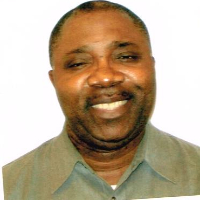
About Augustine
Dr. Bessong structures sessions around each person’s needs. He draws on Attachment-Based, Client-Centered, Cognitive Behavioral, Emotionally-Focused, and Existential approaches. He adapts methods to the issue at hand and the person’s goals rather than following one strict protocol.
People who meet with him can expect a respectful, empathic tone and a focus on practical steps. He aims to help clients notice unhelpful thought patterns and everyday habits, then try different ways of coping. Sessions include talking through current problems and practicing new skills between meetings.
His background includes long experience with trauma, developmental and behavioral concerns, and work with LGBTQ people. Dr. Bessong emphasizes collaboration - he encourages clients to take an active role in setting goals and choosing techniques that feel right for them.
If someone is ready to take a first step toward change, he offers a steady, nonjudgmental presence and a clear process for planning next steps.
Areas of expertise
Primary focus
Also works with
Additional focus areas
Therapeutic approaches
Experience
22+ years
Credentials
New Jersey
Languages
English
How his approaches translate to online therapy
Attachment-Based Therapy focuses on patterns in relationships and how early bonds influence current reactions; it helps people who struggle with trust, closeness, or repeated conflict. Client-Centered Therapy centers the person's experience in the room; the therapist listens closely and follows the client’s pace to help them find their own solutions. Cognitive Behavioral Therapy (CBT) looks at the links between thoughts, feelings, and everyday habits; it helps people test unhelpful thinking and try new behaviors to reduce anxiety and depression.Finding the right approach is part of the work. He will collaborate with each person to choose techniques that match their needs, goals, and preferences. That may mean combining elements from different approaches and adjusting methods as progress is made.
The biography does not list specific online session formats, so confirm available options before booking. In general, online therapy can make it easier to fit regular sessions into a busy life, shorten check-ins when needed, and reduce travel time. It also lets clients continue work between appointments and practice new habits in everyday settings. Licensed professionals adapt their methods for remote work, offering guided conversations, thought-challenging exercises, and behavioral tasks that suit an online setting.
Frequently asked questions
What concerns does this therapist address?
He works with a wide range of issues including stress, anxiety, trauma and abuse, grief, depression, ADHD, addictions, relationship and intimacy-related problems, sleep and eating difficulties, parenting and career concerns, and compassion fatigue.
How would you describe his therapeutic style?
His style is warm, interactive, and empathic with an emphasis on listening. He aims to join with the client and tailor conversations to practical change.
What is his professional background?
He has 22 years of experience in mental health settings and has worked with people facing trauma, developmental concerns, and a variety of mental health challenges.
What credentials and region apply to this therapist?
He holds an LPC credential and practices in New Jersey.
Can I meet with him in my language or from another country?
Sessions are offered in English, and he accepts international clients.
What session formats are available?
The original biography does not list specific session formats; please confirm current session options before booking.
How are fees handled?
Cost varies with location and therapist availability, and sessions use a subscription model that can be canceled at any time.
How do I begin working with him?
Begin by selecting the Start Therapy button, completing a short matching questionnaire, and then scheduling based on the therapist's availability.