- Thoughts and habits
- Trauma-informed care
- Practical coping skills
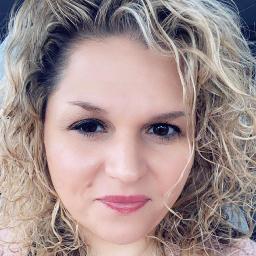
About April
With 18 years of experience in social services and mental health settings, she brings a hands-on understanding of trauma, abuse, domestic violence, sexual assault, and foster care and adoption issues. April emphasizes straightforward conversation and real-life skills. Sessions center on what a person is dealing with now and what small steps help them feel safer and more capable.
Her style is collaborative and down-to-earth. She listens first, then helps people try tools that match their pace and goals. Techniques come from client-centered work, cognitive behavioral tools, mindfulness, dialectical behavior ideas, and motivational interviewing.
April values meeting people where they are and building from there. She focuses on strengthening coping, improving communication, and shifting unhelpful thinking and habits. Many people find this approach useful for daily stress, relationship patterns, grief, and managing mood or addiction concerns.
To begin, she asks people to share goals and current struggles so sessions stay practical and relevant. Her background across community and clinical settings informs a flexible approach that aims to make therapy feel manageable and useful.
Areas of expertise
Primary focus
Also works with
Additional focus areas
Therapeutic approaches
Experience
18+ years
Credentials
Illinois
Languages
English
How her approaches translate to online work
Client-Centered Therapy focuses on listening closely and following the client's lead. It helps people feel understood and decide what changes matter most to them. Cognitive Behavioral Therapy, or CBT, looks at thoughts and habits and teaches small experiments to shift unhelpful patterns. It is often used for anxiety, depression, and stress-related problems. Dialectical Behavior Therapy, or DBT, offers concrete skills for emotion regulation, distress tolerance, and clearer communication; it can be helpful when feelings feel intense or overwhelming.Finding the right mix of approaches is part of the work together. April will collaborate with each person to choose which tools to try first based on goals, daily life, and what feels comfortable. She adapts pace and techniques so clients can practice between sessions and notice gradual change.
Session formats are not specified here, so confirm available options when you schedule. Online work can make it easier to fit therapy into a day - shorter check-ins, sessions during a break, or avoiding travel are common practical benefits. The focus remains on using thoughtful, skills-based conversations to change everyday thoughts and habits so life feels more manageable.
Frequently asked questions
What issues does April focus on?
She focuses on stress, anxiety, depression, relationships, trauma and abuse, grief, addictions, bipolar concerns, and coping with life changes. Additional areas include attachment, caregiver stress, body image, and blended family challenges.
How would you describe her therapeutic style?
April uses a collaborative, down-to-earth approach that starts with listening. She then introduces practical tools and small steps to change thoughts and daily habits.
What is her background and experience?
She has 18 years of experience in social services and mental health settings, including work related to domestic violence, sexual assault, trauma, and foster care.
What credentials and region apply?
April holds an LCPC credential, specifically an Illinois LCPC, and she practices in Illinois.
Which languages are used in sessions?
Sessions are offered in English.
Can international clients schedule sessions?
International clients are not currently accepted.
How does payment and cost work?
Cost varies with location and therapist availability; sessions use a subscription that can be canceled at any time.
How do I get started with therapy?
Select the Start Therapy button, complete a short matching questionnaire, and schedule according to therapist availability.